Daily Species: Lesser Siren, Western Rattlesnake, Pipevine Swallowtail, Diamond Killifish

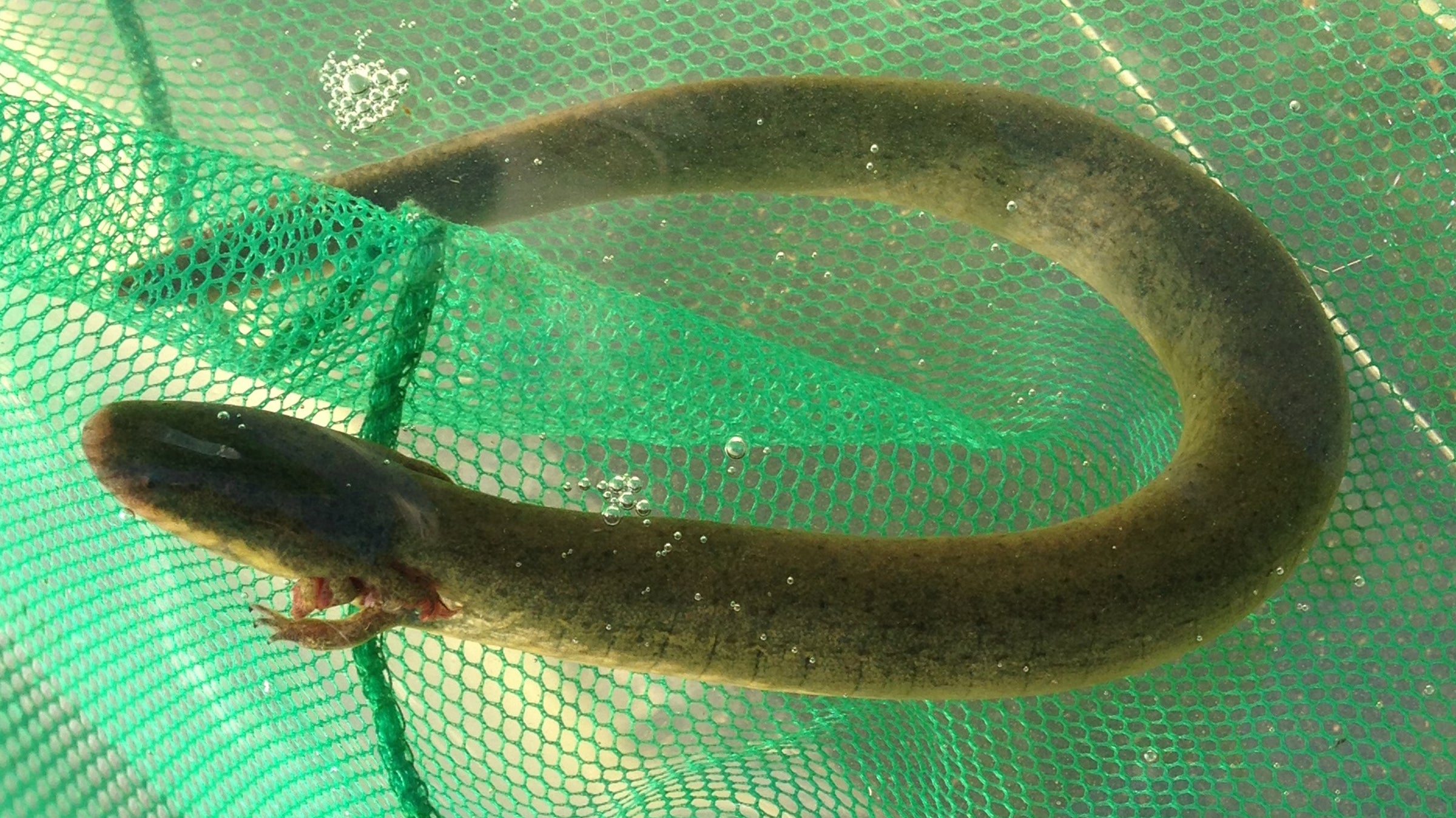
Photo: Fredlyfish4 (Creative Commons Attribution-Share Alike 3.0 Unported license.)
The Lesser Siren
The Lesser Siren (Siren intermedia) is a slender-bodied aquatic amphibian that spends its days burrowed in silt and debris at the bottom of slow waters. Sirens have a small pair of front legs but lack hind limbs, a loss thought to help them more easily swim through reeds and plants. During drought, they can secrete a protective mucus that cocoons their body to prevent dehydration. Their common name “siren” comes from their ability to be quite vocal, emitting a clicking sound when attacked by a predator.
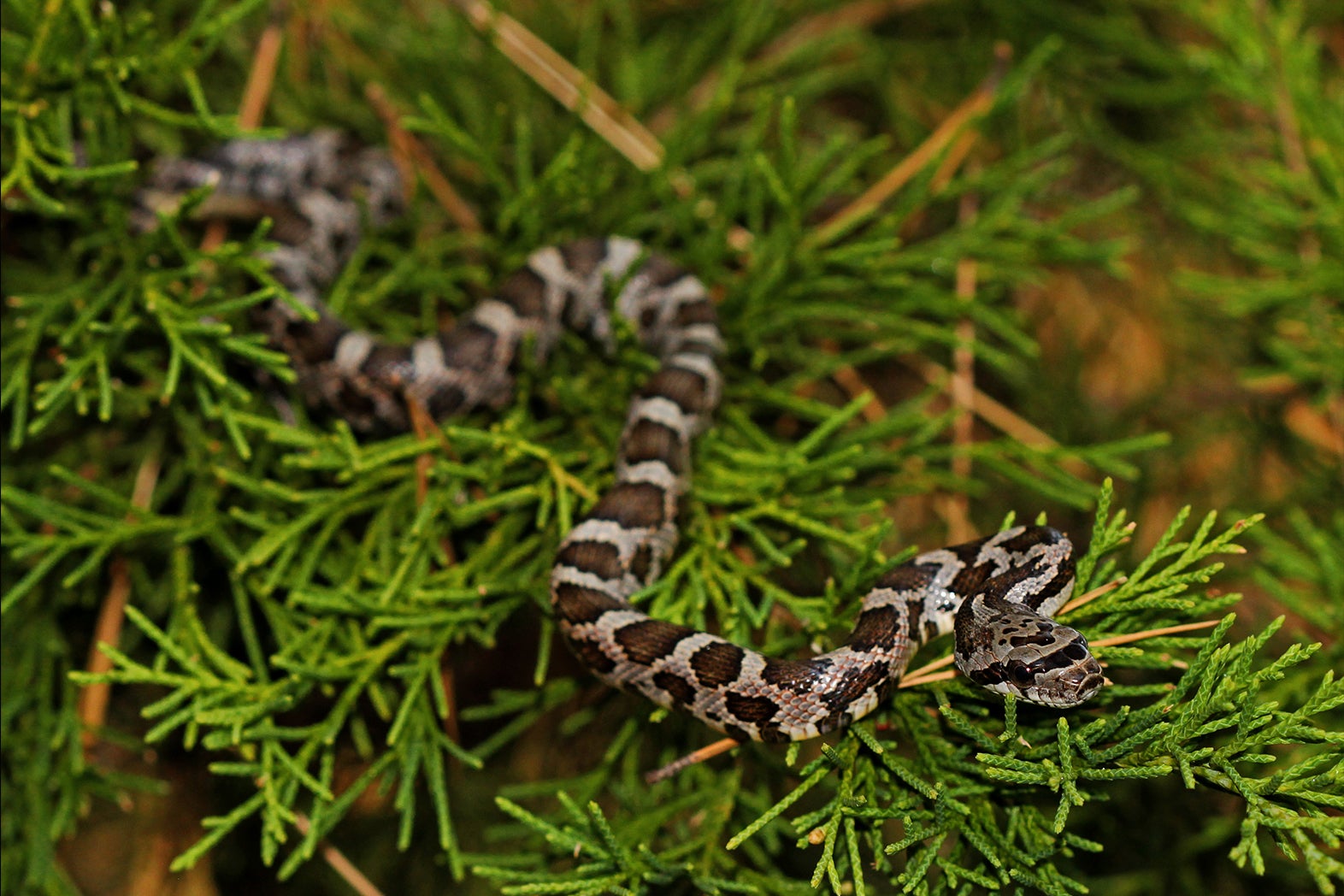
Photo: Peter Paplanus (Creative Commons Attribution 2.0 Generic license.)
The Western Rattlesnake
The Western Ratsnake (Pantherophis obsoletus) is a non-venomous species commonly found across the eastern half of Texas. This species can be highly arboreal and is adaptable to a wide range of habitats. Because of this versatility, they feed on a variety of prey (small mammals, birds, reptiles) that they kill by constriction. Ratsnakes are sometimes called “chicken snakes” because they will eat bird eggs as well, and can be found around chicken coops. This snake can be quite defensive when cornered by a predator, striking or opening its mouth as well as vibrating its tail (a common trait for many non-venomous and venomous species in Texas).
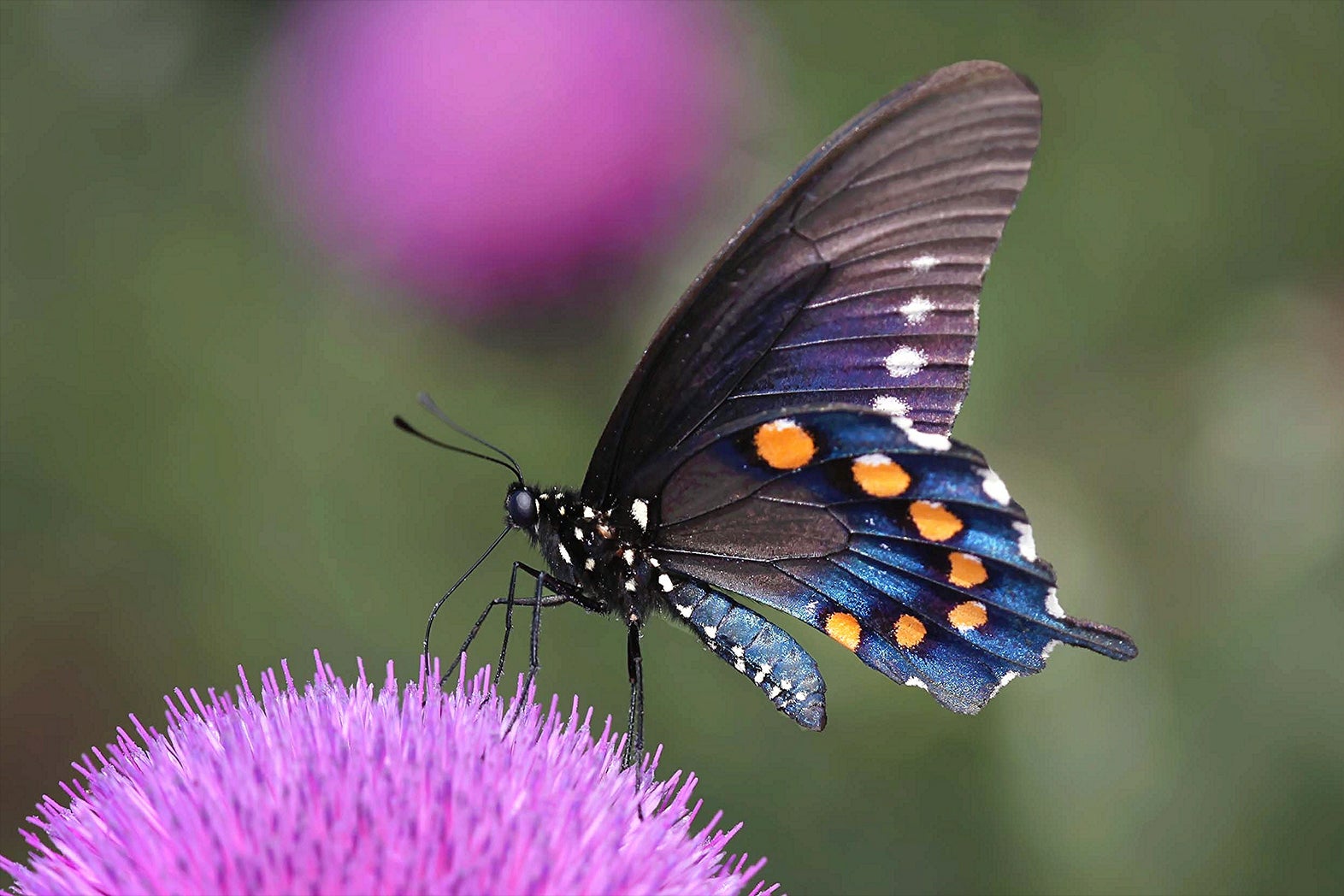
Photo: John Flannery (Creative Commons Attribution-Share Alike 2.0 Generic license.)
The Pipevine Swallowtail
One of North America's most abundant butterflies, the pipevine swallowtail (Battus philenor)develops on the leaves of Aristolochia pipevine, sequestering the plant's potent toxins so as to remain poisonous to their own predators. The photographs of the hatching eggs (above) and adult butterfly (below) are public domain images created at UT by the crowd-funded Insects Unlocked project.
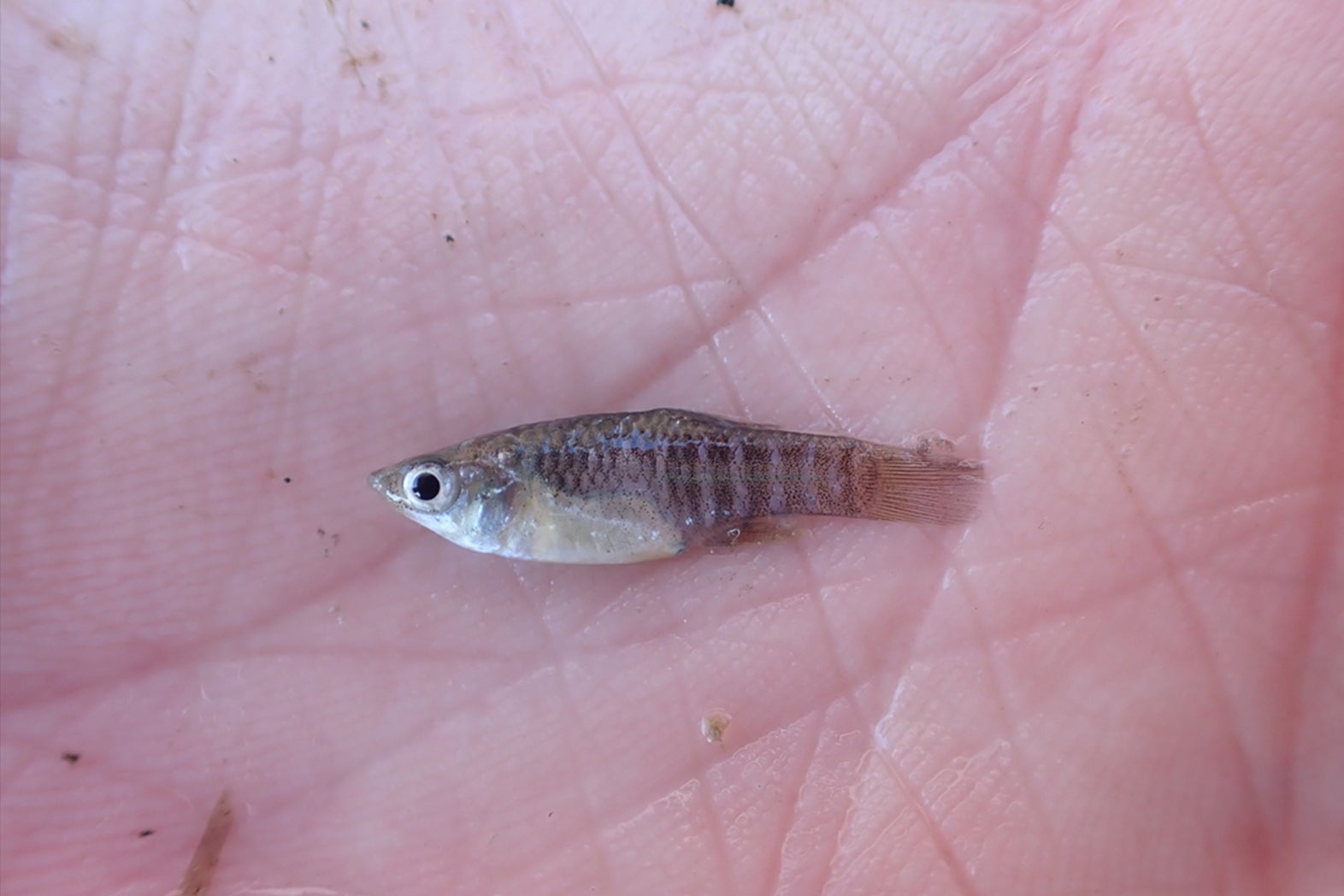
Photo: Fishes of Texas
The Diamond Killifish
Fundulus xenicus is called the Diamond Killifish because the body profile is roughly diamond shaped with a pointed snout. These small fish occur in coastal waters from the Florida Panhandle west to Corpus Christi in fresh, brackish, marine and hypersaline water less than two feet deep and having emergent vegetation. You would think these pretty little fish with the wide tolerance range for salinity changes would be popular with aquarists but they prove to be difficult to maintain in aquaria.
For more information about this and other Ichthylogical delights, visit UT's Fishes of Texas project.