News

Accolades

Mathew Leibold Named Fellow of Ecological Society of America

Mathew Leibold, a professor in the Department of Integrative Biology at UT Austin, was elected a fellow by the Ecological Society of America (ESA).

Features

What’s the Buzz: Reflecting on a Life's Work Inspired by Pollinators

Shalene Jha has been interested in pollinators her entire life. Now, as an assistant professor, she studies the interactions of native bees and plant communities for a living.

UT News

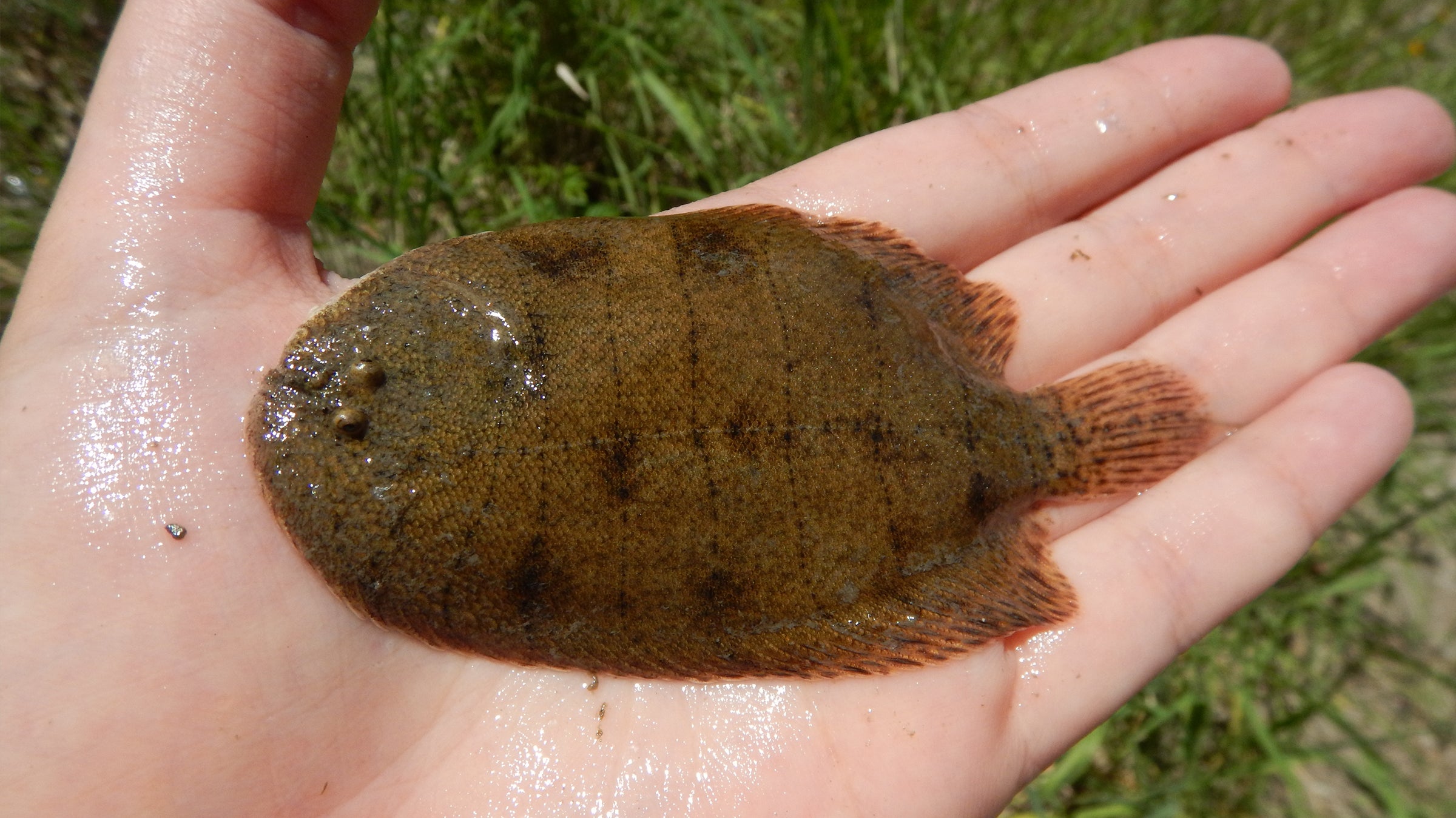
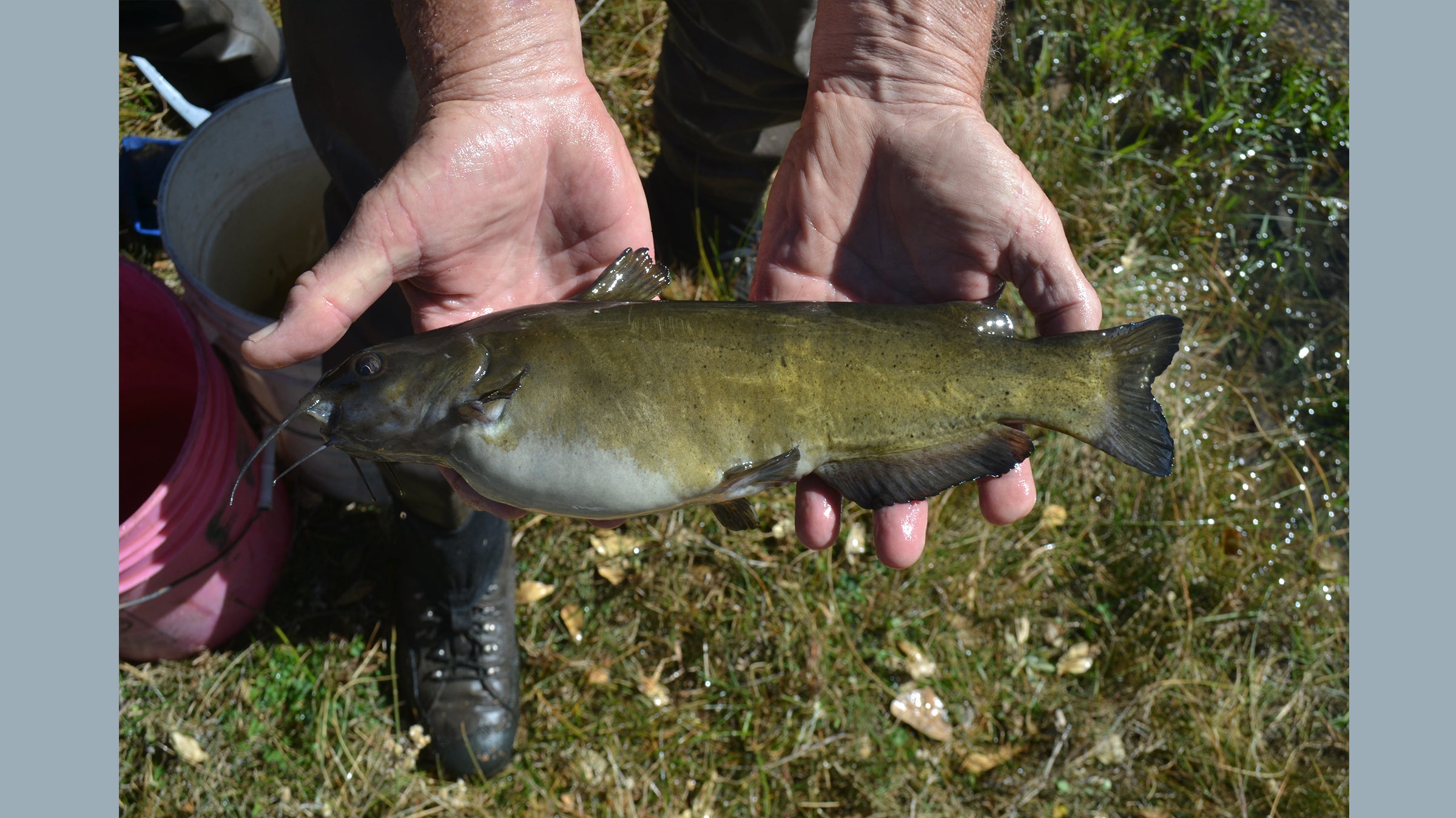
Rare, Blind Catfish Never Before Found in U.S. Discovered in Texas

An extremely rare eyeless catfish species previously known to exist only in Mexico has been discovered in a National Recreation Area in Texas.

UT News

Genetic Potential of Oil-Eating Bacteria from the BP Oil Spill Decoded

Microbiologists led by Brett Baker have discovered potential in bacteria that helped to clean up the BP oil spill.

Research

Scientists Unveil the Most Comprehensive Genomic Tree of Life

Genetic data reveal a group of bacteria that are so diverse genetically that they represent half of all the diversity of bacteria on the planet

Features

Graduate Students Ensure Science Under the Stars Shines Bright

The free, monthly public lecture series was founded and is run completely by students in the Plant Biology and Ecology, Evolution and Behavior (EEB) graduate programs.

Podcast

Saving the Bees, Two Perspectives

How do you move 100,000 honeybees—a living laboratory for research on the gut microbiome—half way across the country?

Research

Engineering Bacterial Communities Improves Plant Growth

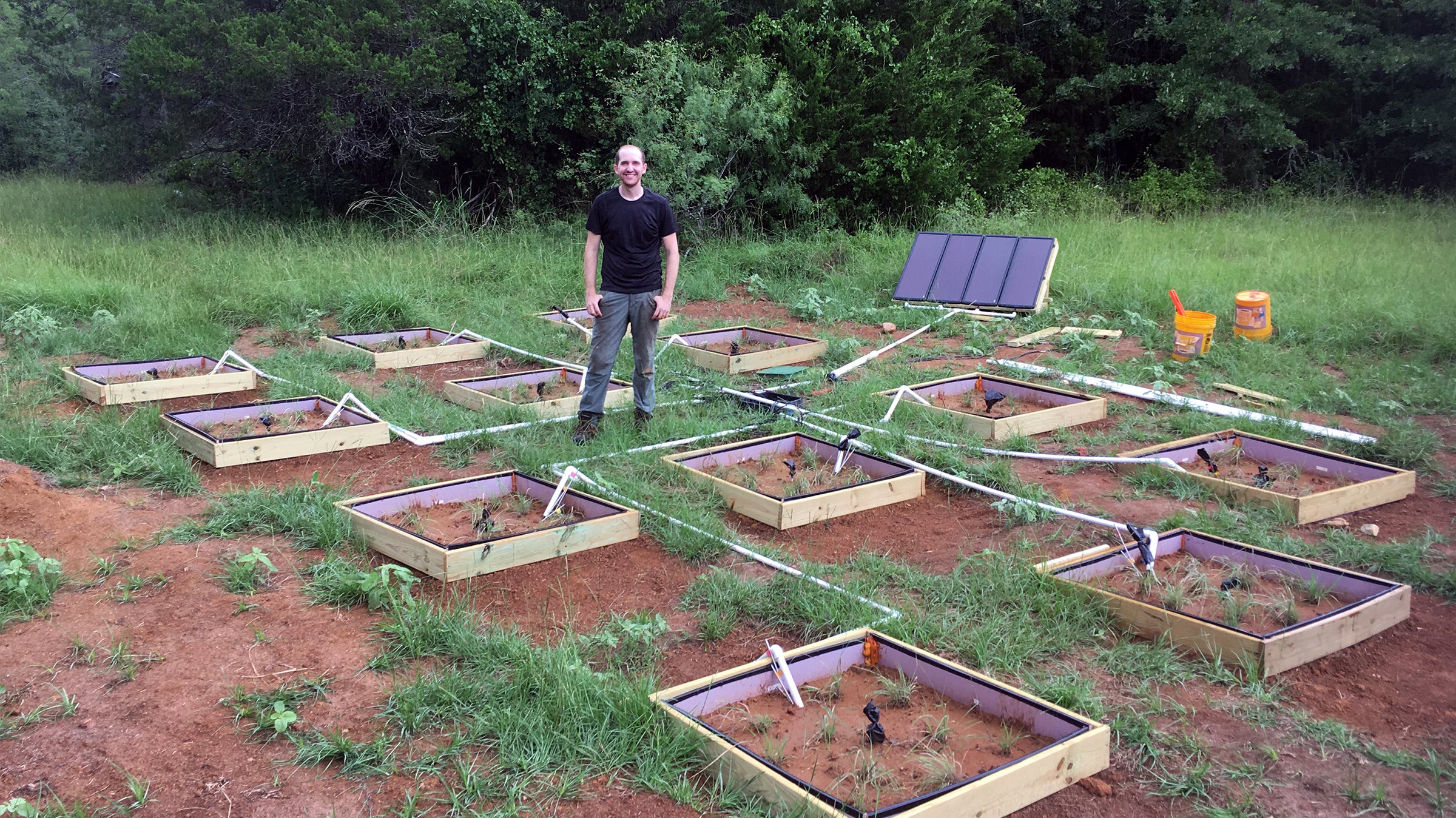
University of Texas at Austin scientists say there's a simple way for home gardeners and small farmers to give plants a pesticide-free boost: by harnessing the power of often helpful bacterial communities known as the microbiomes of plants.

UT News

Corals Are Already Adapting to Global Warming, Scientists Say

Some coral populations already have genetic variants necessary to tolerate warm ocean waters, and humans can help to spread these genes, a team of scientists led by Misha Matz of the University of Texas at Austin has found.