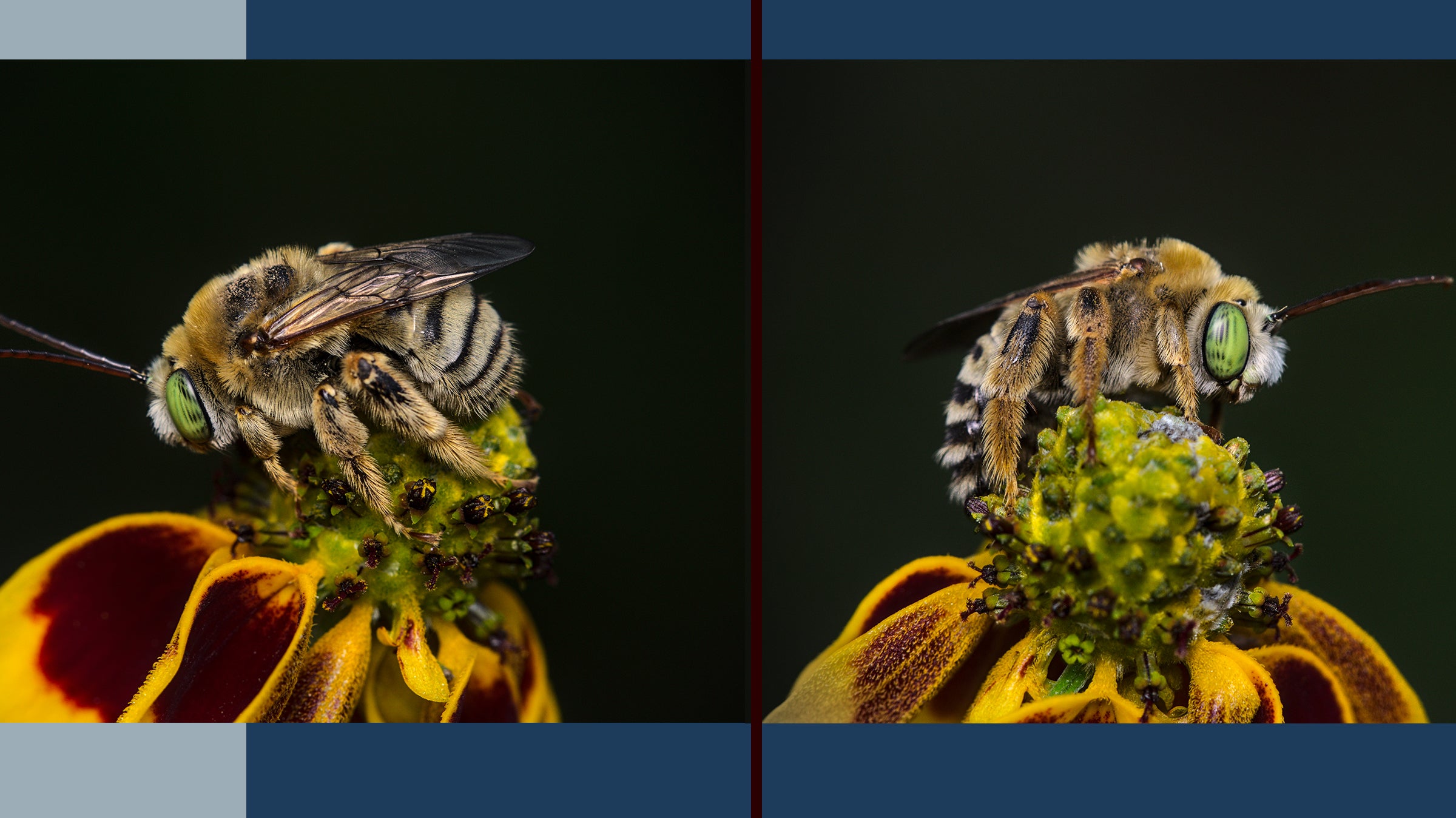
Broad-banded Longhorn Bees (Epimelissodes petulcus) pollinating an upright prairie cone flower. (Photos: Tasneem Ahsanullah)
When we think of pollinators, most often we think of the honey bee. While honey bees do pollinate certain plants, there are so many different species of native bees and other insects that pollinate plants that honey bees cannot. For example, honey bees do not pollinate cacao plants but Forcipomyia flies do. They are the only species small enough to crawl into the cacao flowers. Pollination is crucial to our survival, without it we wouldn’t have so many fruits and vegetables to eat. It is also important to our ecosystems and why when spring comes there are beautiful wildflowers on the side of the road. Here are some of the lesser-known pollinators in Austin, Texas and what can be done to help them.
Let’s explore our native bee species. Above, you'll see a photo I took of this beautiful green-eyed longhorn bee on an upright prairie coneflower in the Barton Creek greenbelt. Longhorn bees get their name because of their long antennae. Since UT Austin’s mascot is a longhorn and I am a UT alum, I have a particular fondness for these bees.
Female longhorn bees have fluffy hindlegs which make them excellent at carrying pollen. In addition to wildflowers, these bees can pollinate sunflowers, squash and melon flowers, which makes them important to the agricultural sector as well. Longhorn bees build their nests in the ground. Leaving undisturbed spaces in the yard where they can build nests helps support them.
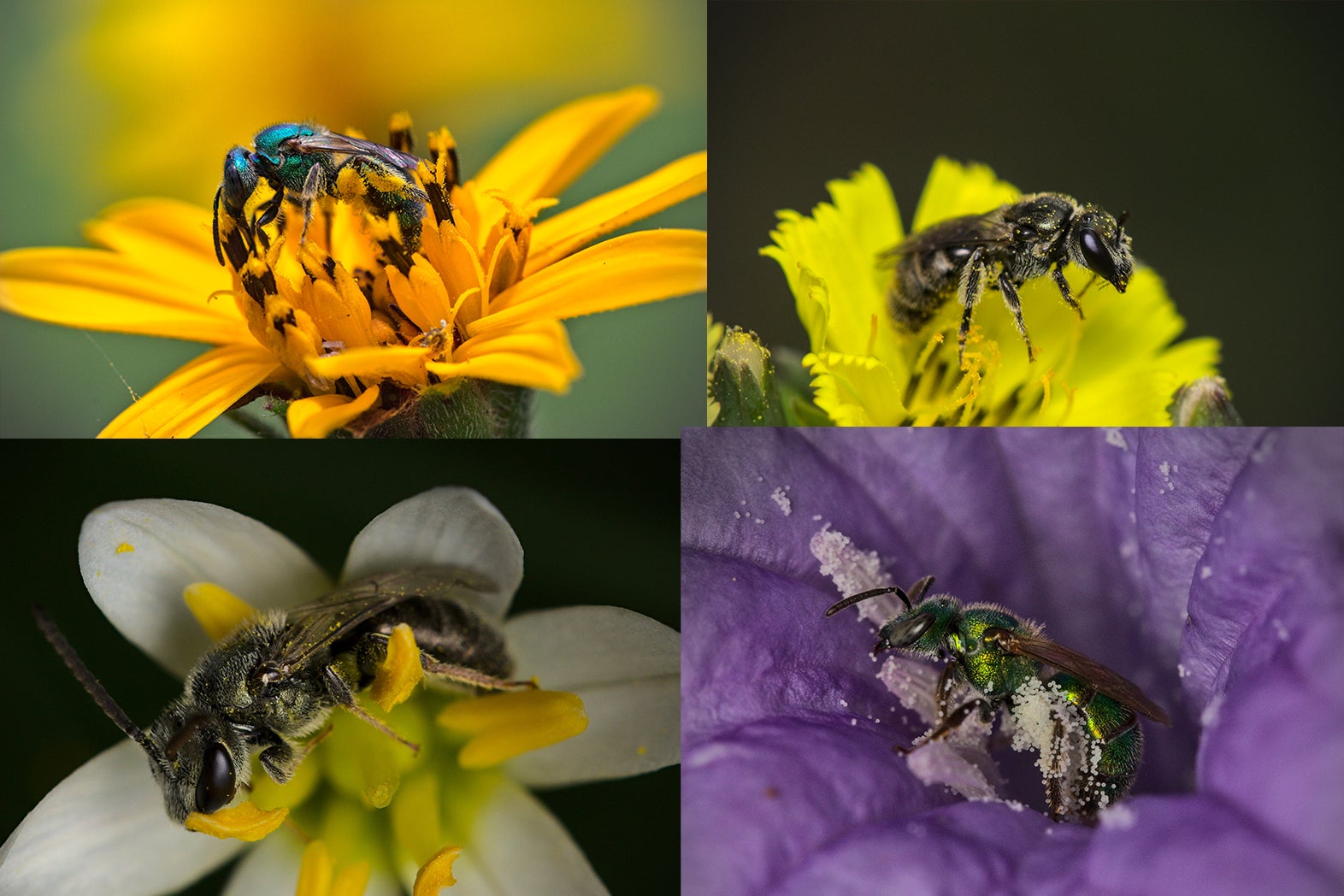
Caption: Sweat bees pollinating various flowers in Austin, Texas. (Photos: Tasneem Ahsanullah)
A group of bees that I photograph often are the sweat bees. These four photos above are a few species I’ve photographed here in Austin, Texas. In the first and fourth photos particularly, you can see just how much pollen is packed onto the sweat bee’s hindlegs. Interesting fact: in addition to drinking nectar, sweat bees drink human sweat for the salt. Hence the name ‘sweat’ bee! Similar to longhorn bees, sweat bees also build their nests in the ground or sometimes decaying wood so they also benefit from having undisturbed areas to nest.
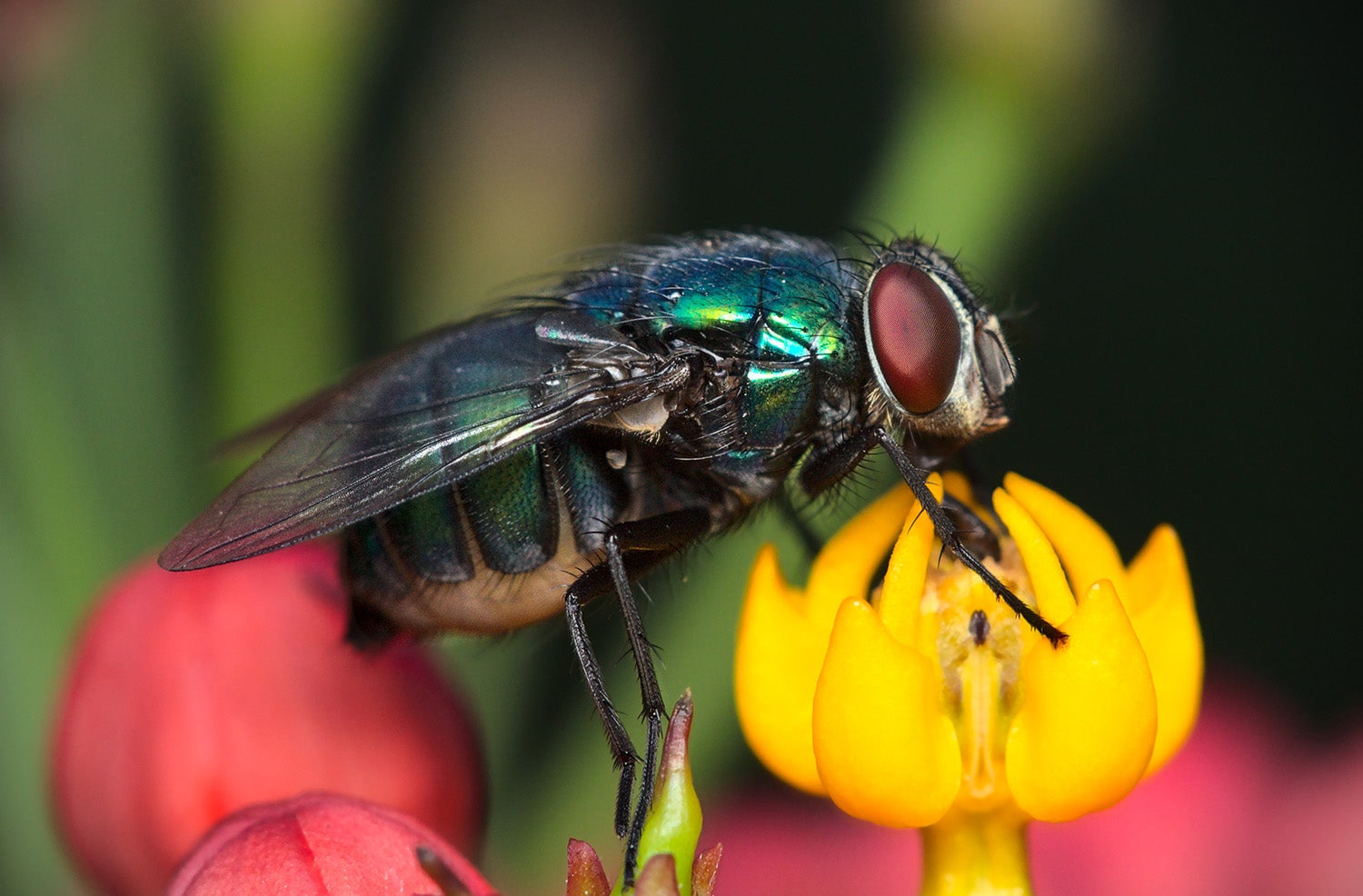
Caption: Blow fly (Chrysomya) pollinating a milkweed flower. (Photo: Tasneem Ahsanullah)
A pollinator that is not talked about often are flies. This blow fly I photographed at my uncle’s residence here in Austin is pollinating a milkweed flower. Milkweeds are a native plant that many people know to support Monarch butterflies since they will only lay eggs on milkweeds. But this fly is evidence that milkweed plants support other insects as well. Before I photographed this blow fly, I never realized their role in pollinating native plants. Now when I see a blow fly in my home instead of swatting it away, I carefully take it outside in a cup so it can go out and pollinate.
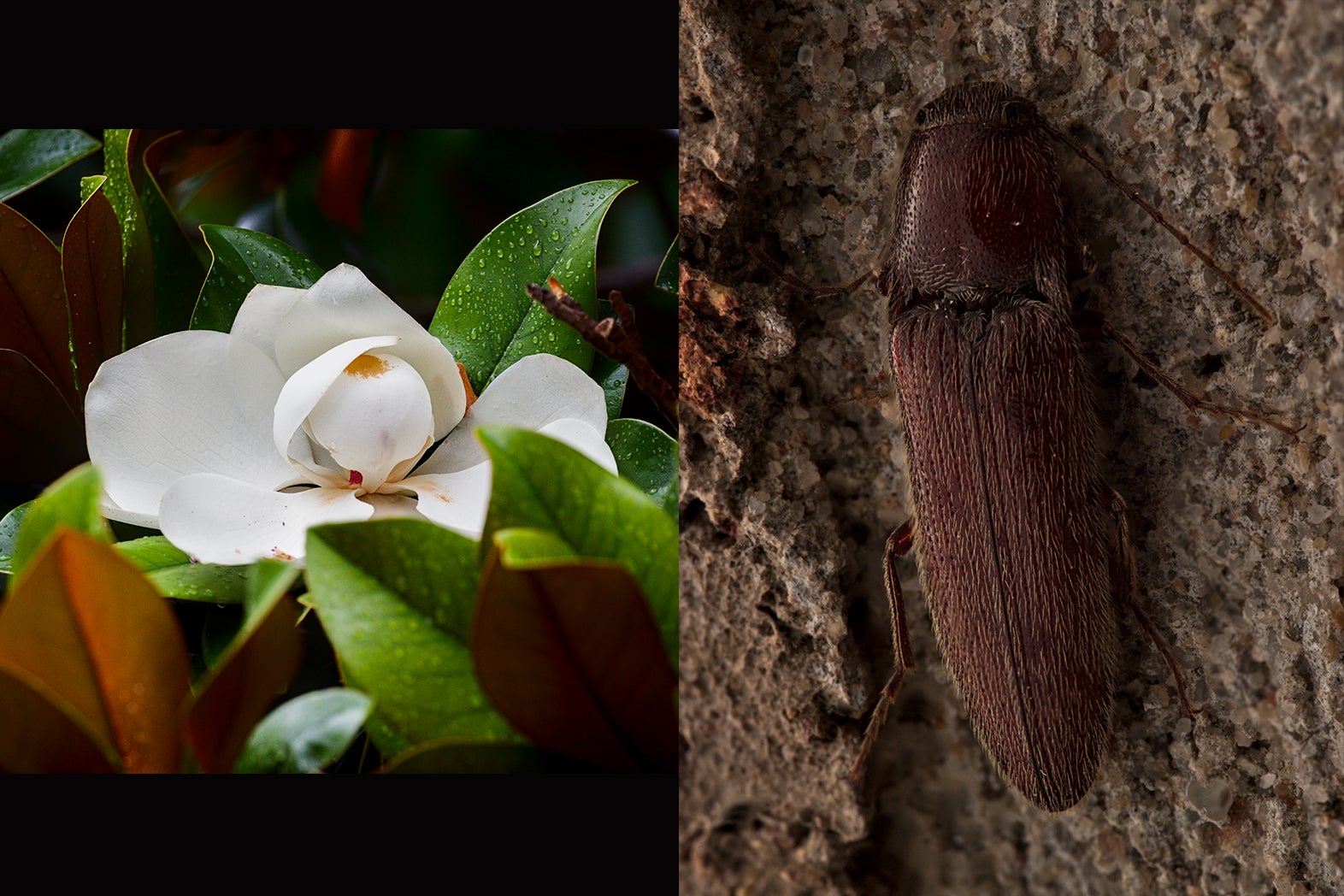
Magnolia flower and a Click beetle (Dipropus simplex) in my backyard. (Photos: Tasneem Ahsanullah)
One group of pollinators many people don’t know about are beetles. Not all beetles are pollinators but certain groups like scarabs, tumbling flower beetles and soldier beetles are pollinators for many species of plants that evolved before bees. I have an iconic Magnolia tree in my backyard that creates huge white blossoms in the spring. I wondered how a tree with such huge blossoms could be pollinated by tiny bees which inspired me to research more. I was surprised to learn that Magnolia trees have existed for over 100 million years, well before bees evolved. As a result they were pollinated by other insects like beetles. Beetles pollinate through the “mess and soil” method where they chew on the flower/pollen and defecate.
According to a meta-analysis done by the University of California Riverside, insect populations have declined by 45% in the last 40 years. This decline will affect our food and ecosystems. However, with spring here, I make a difference by planting local wildflowers, leaving undisturbed spaces in my yard (as in, no raking or mowing) and avoiding pesticides. Traditional yards with lawns and use of non-native plants use a lot of water and require a lot of maintenance. Native plants are not only suited for Texas’ climate, they also provide an important habitat for native pollinators.
Where to get native Texas plants and seeds:
Ladybird Johnson Wildflower Center: 4801 La Crosse Ave., Austin, TX, 78739 Spring Native Plant Sale: every weekend (Friday through Sunday) for the month of April from 9:00 am - 1pm
The Natural Gardener: 8648 Old Bee Caves Rd Austin, TX 78735
Barton Springs Nursery: 3601 Bee Caves Rd Austin, TX 78746
Shoal Creek Nursery: 2710 Hancock Dr Austin, TX 78731
Native Texas Nursery: 16019 Milo Rd Austin, TX 78725
SOURCES
Buglife: Longhorn bee. https://www.buglife.org.uk/bugs/bug-directory/long-horned-bee/
Rutter, Bruce. “Sweat Bees: 7 Quick Facts and More.” May 7, 2024, online in Best Bees: . https://bestbees.com/sweat-bees-7-quick-facts-and-more/
Missouri Department of Conservation: Blow flies (Bottle flies). https://mdc.mo.gov/discover-nature/field-guide/blow-flies-bottle-flies
Smithsonian Gardens: “The Botany of Magnolias.” March 12, 2021. https://gardens.si.edu/learn/blog/the-botany-of-magnolias/
UC Riverside: “Researchers study the global decline of insect populations.” July 13, 2023. https://entomology.ucr.edu/news/2023/07/13/researchers-study-global-decline-insect-populations