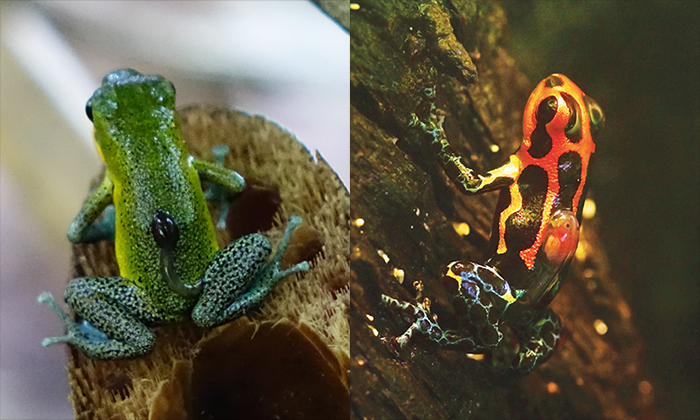
Integrative Biology Professor Wins Early Career Award for Contributions to Ecology
Caroline Farrior has been awarded for her research on forest ecosystem dynamics through mathematical modeling.

Spring Insects to Spot on Neighborhood Walks
With much of the world practicing social distancing, walks and other opportunities to get outdoors are the highlight of many people's days right now.
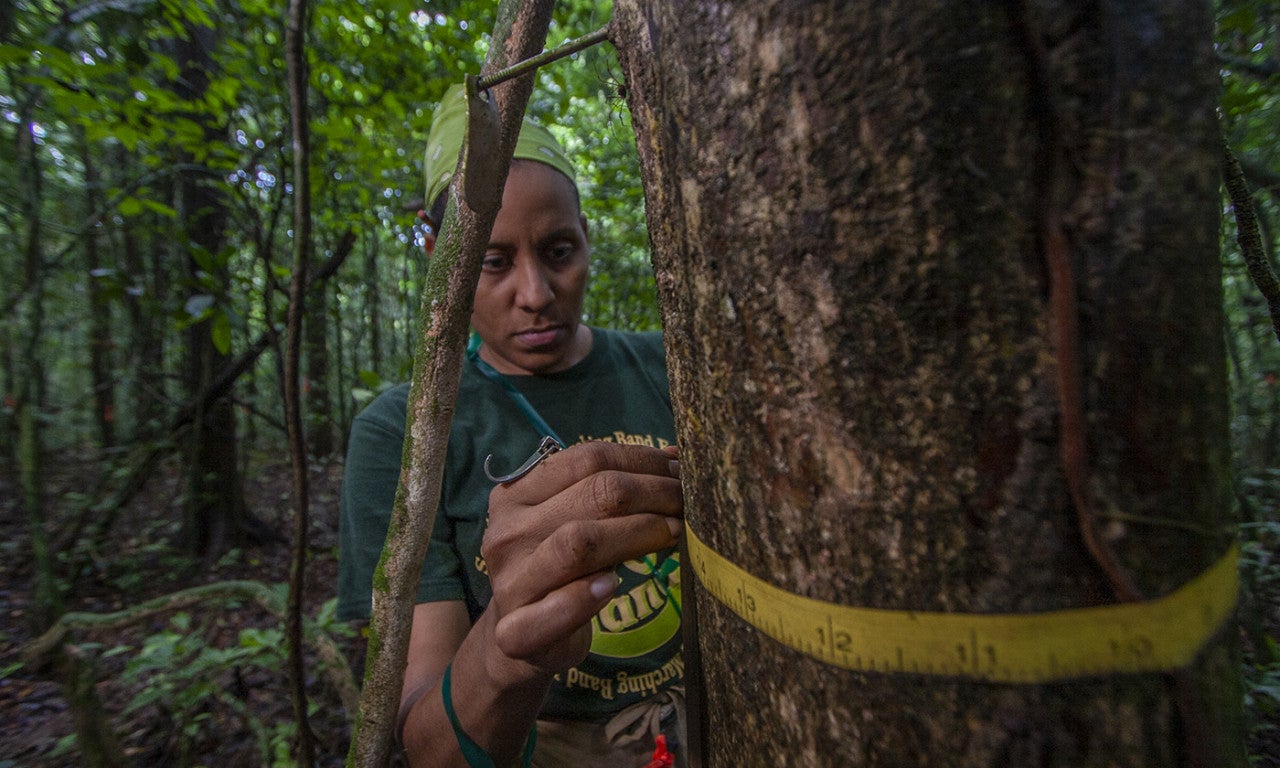
Long-Living Tropical Trees Play Outsized Role in Carbon Storage
A group of trees that grow fast, live long lives and reproduce slowly account for the bulk of the biomass.
Department of Molecular Biosciences
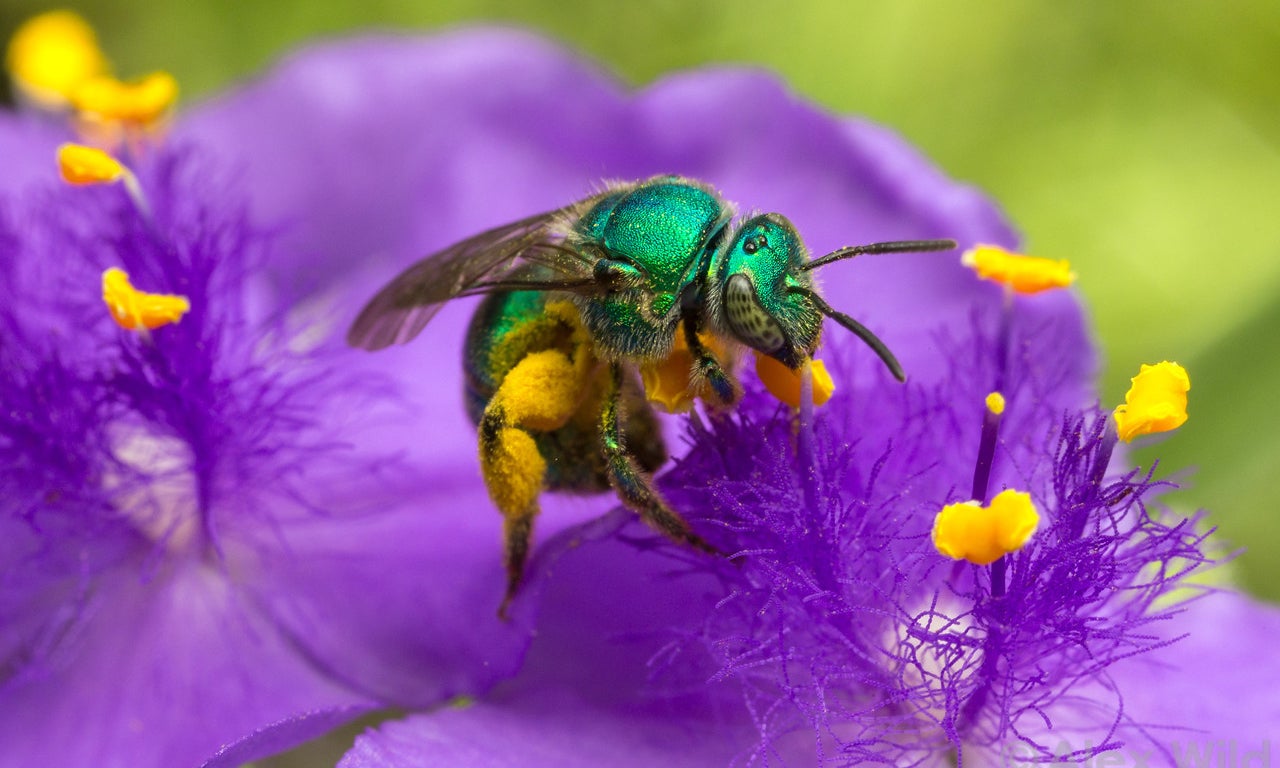
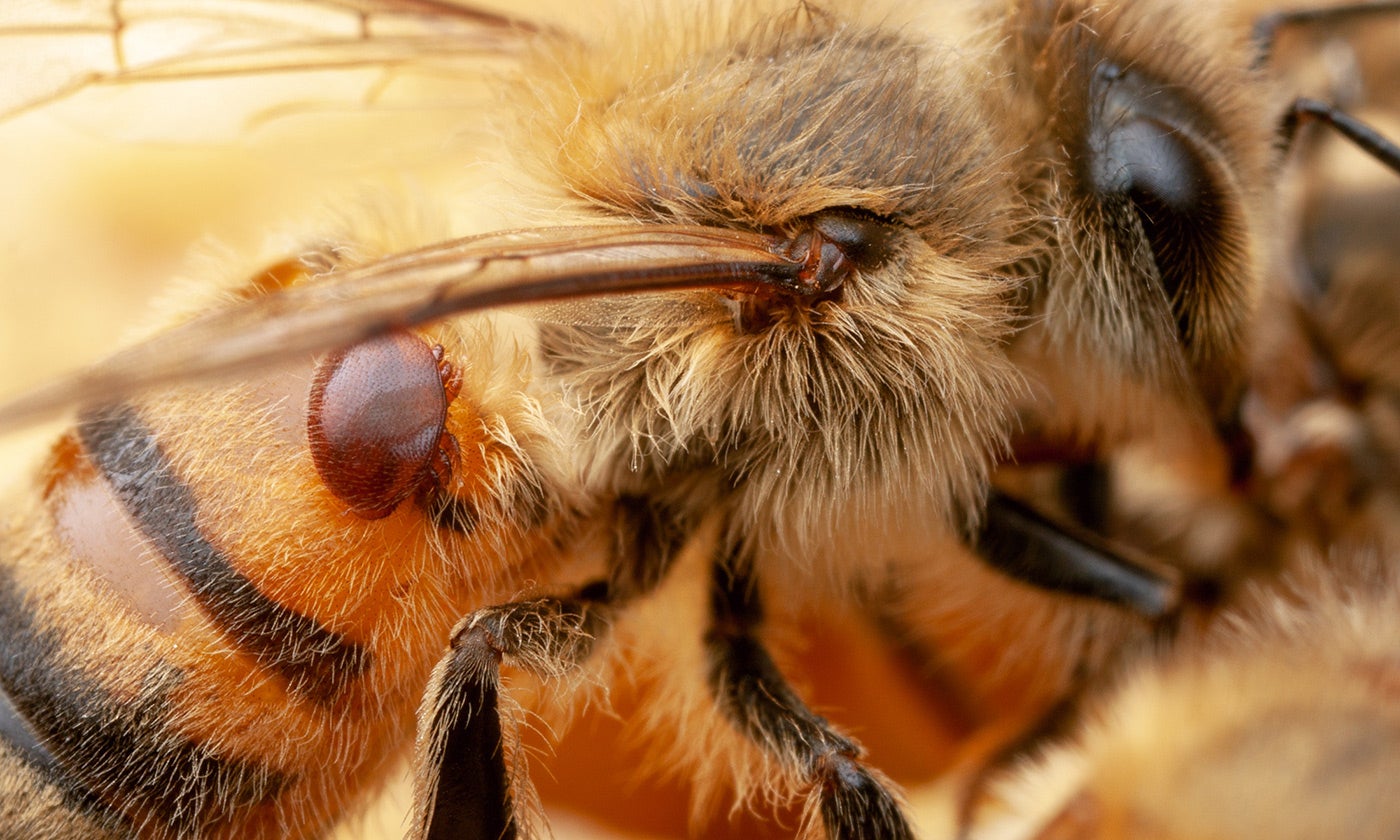
Bacteria Engineered to Protect Bees from Pests and Pathogens
Genetically engineered strains of bacteria protect bees from mites and viruses that can lead to colony collapse.
The Next 50 Years: A Global Census of Life
Biologist David Hillis aims to discover the 80 percent of species on Earth that scientists know nothing about in the next few decades.
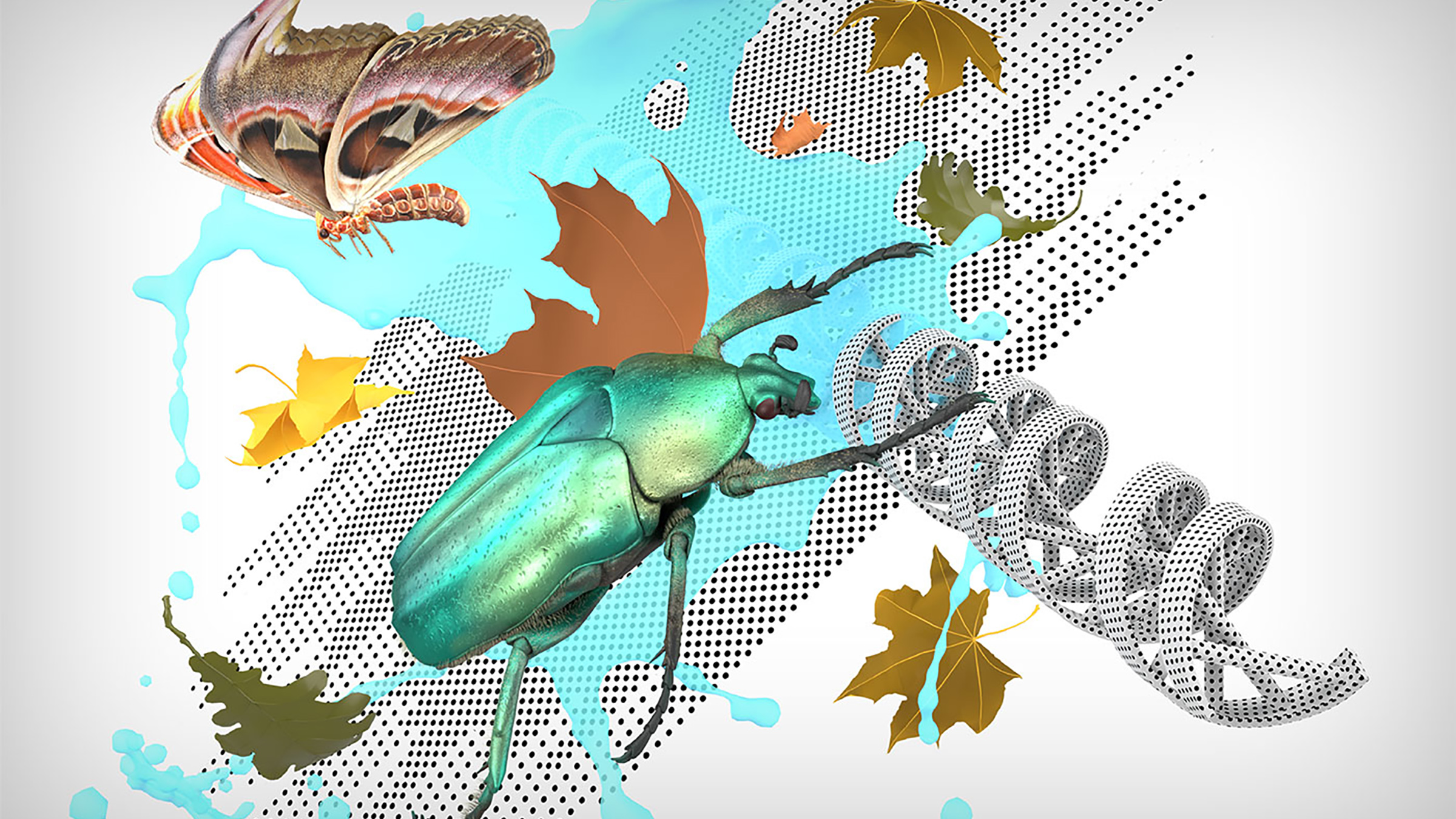
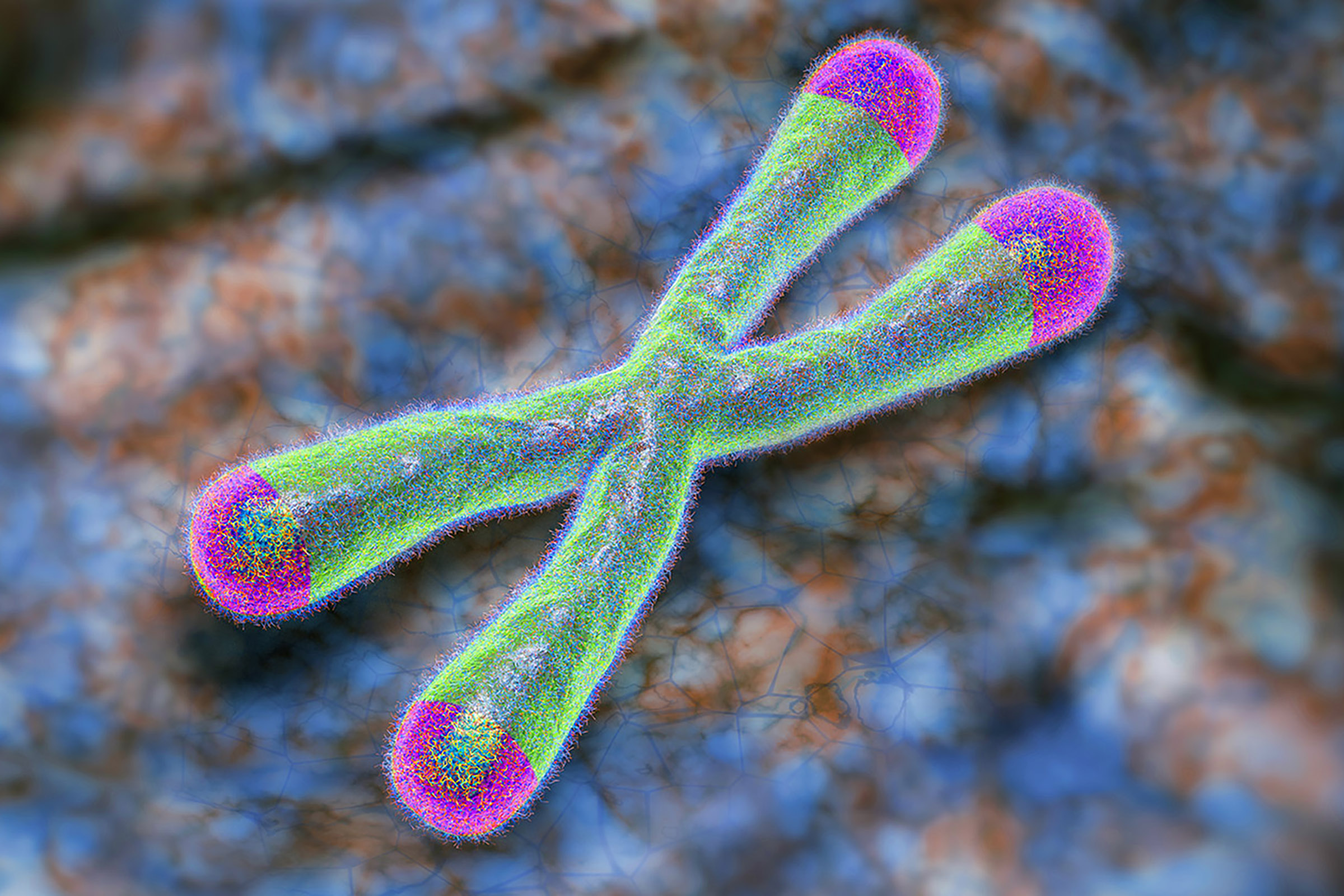
Scientists Identify Genes that Help Protect Plant Genomes
The discovery holds important implications for our understanding of age-related disorders and cancers in humans.
Melissa Kemp Combines Art and Science in Study of Lizards
Melissa Kemp, an assistant professor in the Department of Integrative Biology, studies how extinction, biological diversification and colonization are shaped by environmental upheavals.
UT News
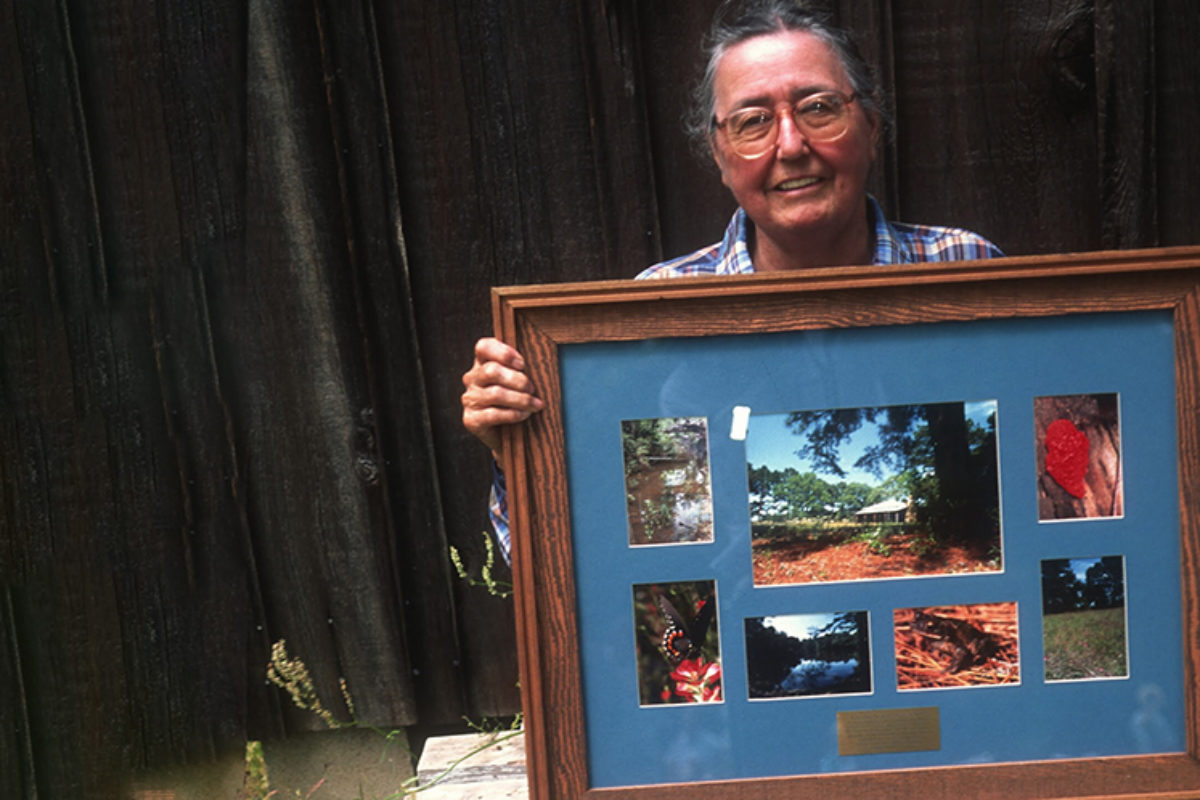
Gift to UT Austin Will Advance Programs in Biodiversity and Ecology
A generous estate gift to The University of Texas at Austin from alumna and former physician Lorraine “Casey” Stengl will have a dramatic impact on educational efforts and scientific research examining plants, animals and their interactions with the natural world.
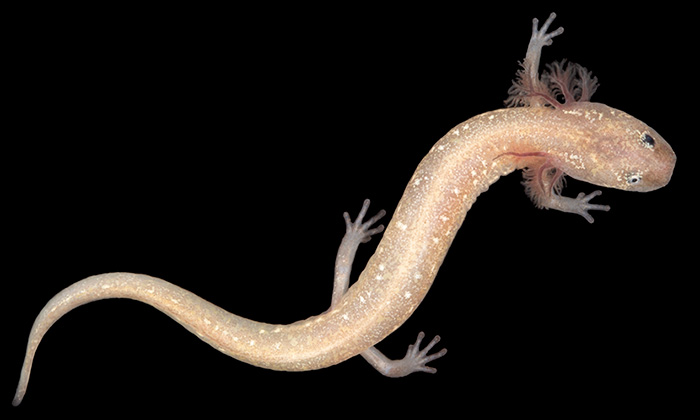
Central Texas Salamanders, Including Newly Identified Species, At Risk of Extinction
More severe droughts caused by climate change and increasing water use in Central Texas have left groundwater salamanders “highly vulnerable to extinction.”
Evolution Used Same Genetic Formula to Turn Animals Monogamous
In five cases where vertebrates evolved monogamy, the same changes in gene expression occurred each time.