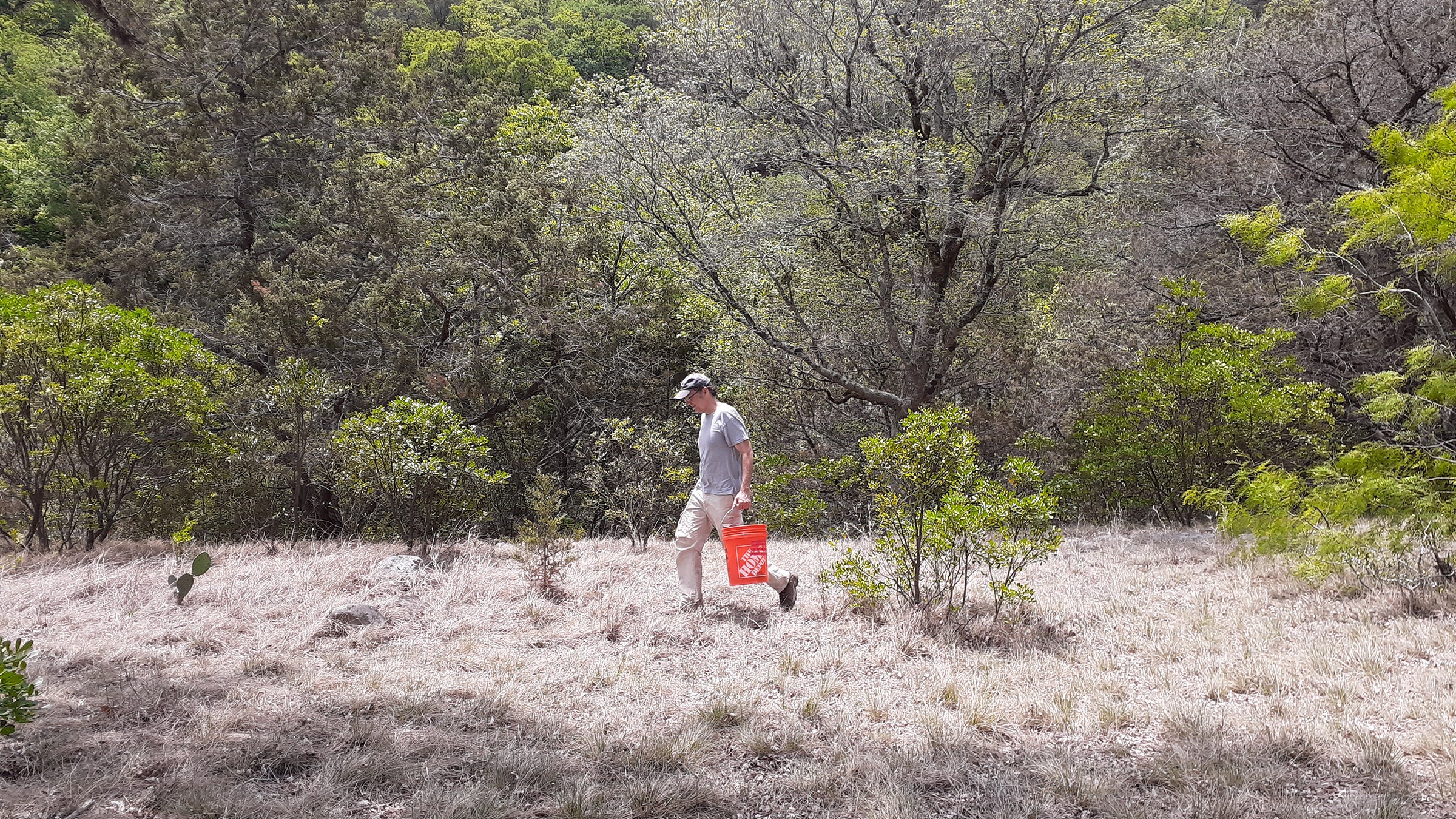
Texas Field Station Network Catalyzes Collaborations Across Field Sites
The recently announced largest-ever gift to the college is helping to bring new research synergies.
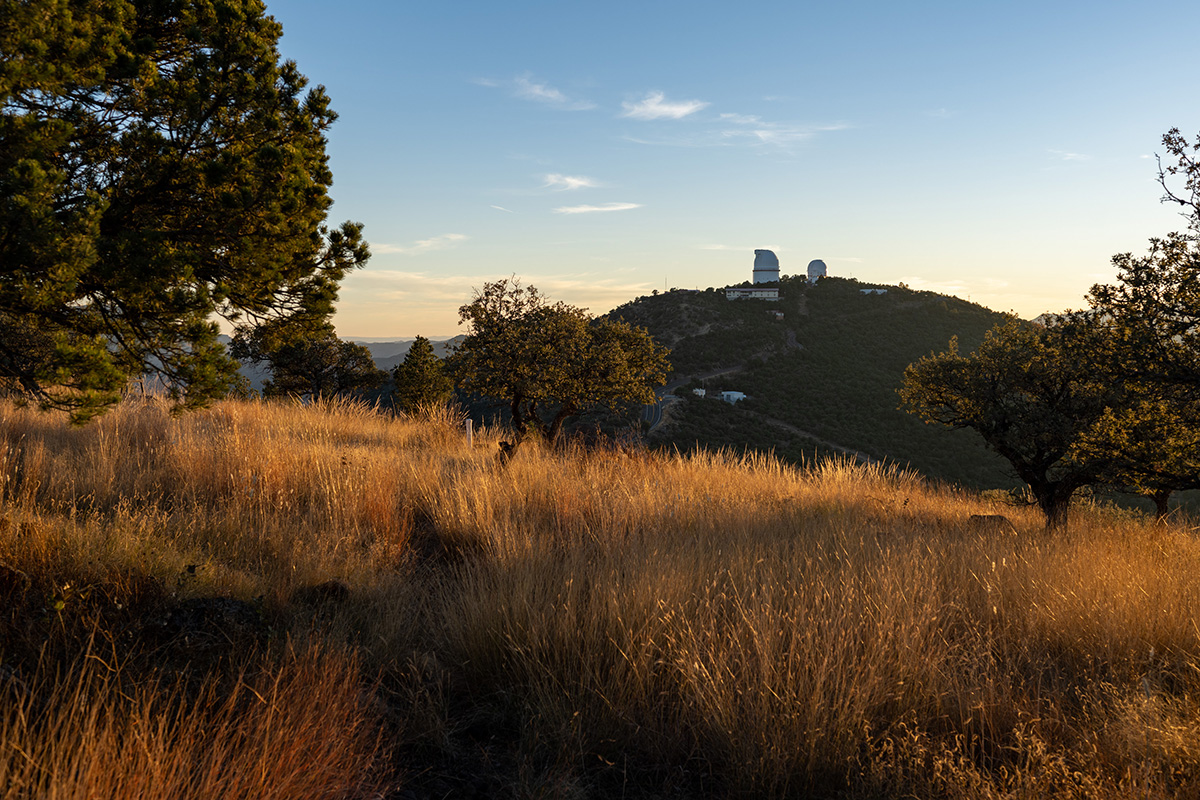
Wildflower Center
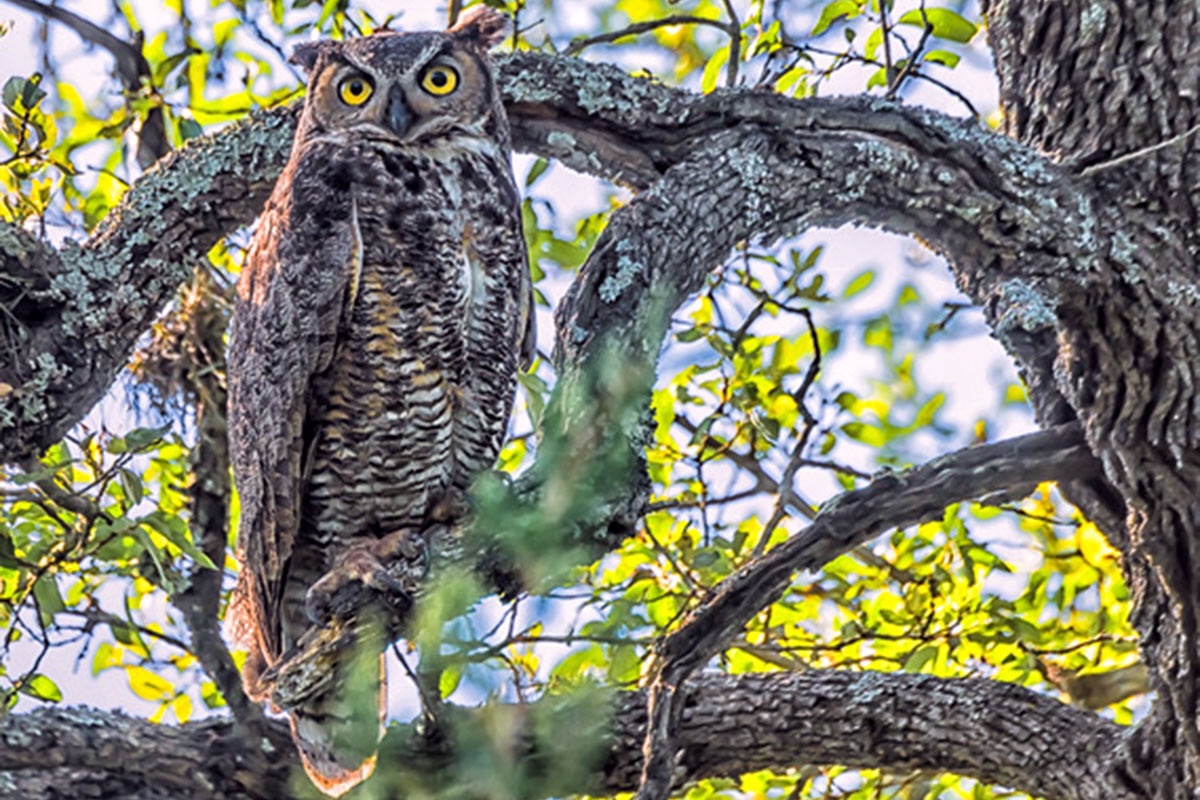
Lady Bird Johnson Wildflower Center Launches Live Owl Nest Cam
A much-loved great horned owl named ‘Athena’ is viewable at The University of Texas at Austin center and field station.
Natural Labs: UT Field Stations Help Predict Drought Impact
UT scientists study how droughts affect local ecosystems at the Brackenridge Field Laboratory and the Stengl Lost Pines Biological Station.
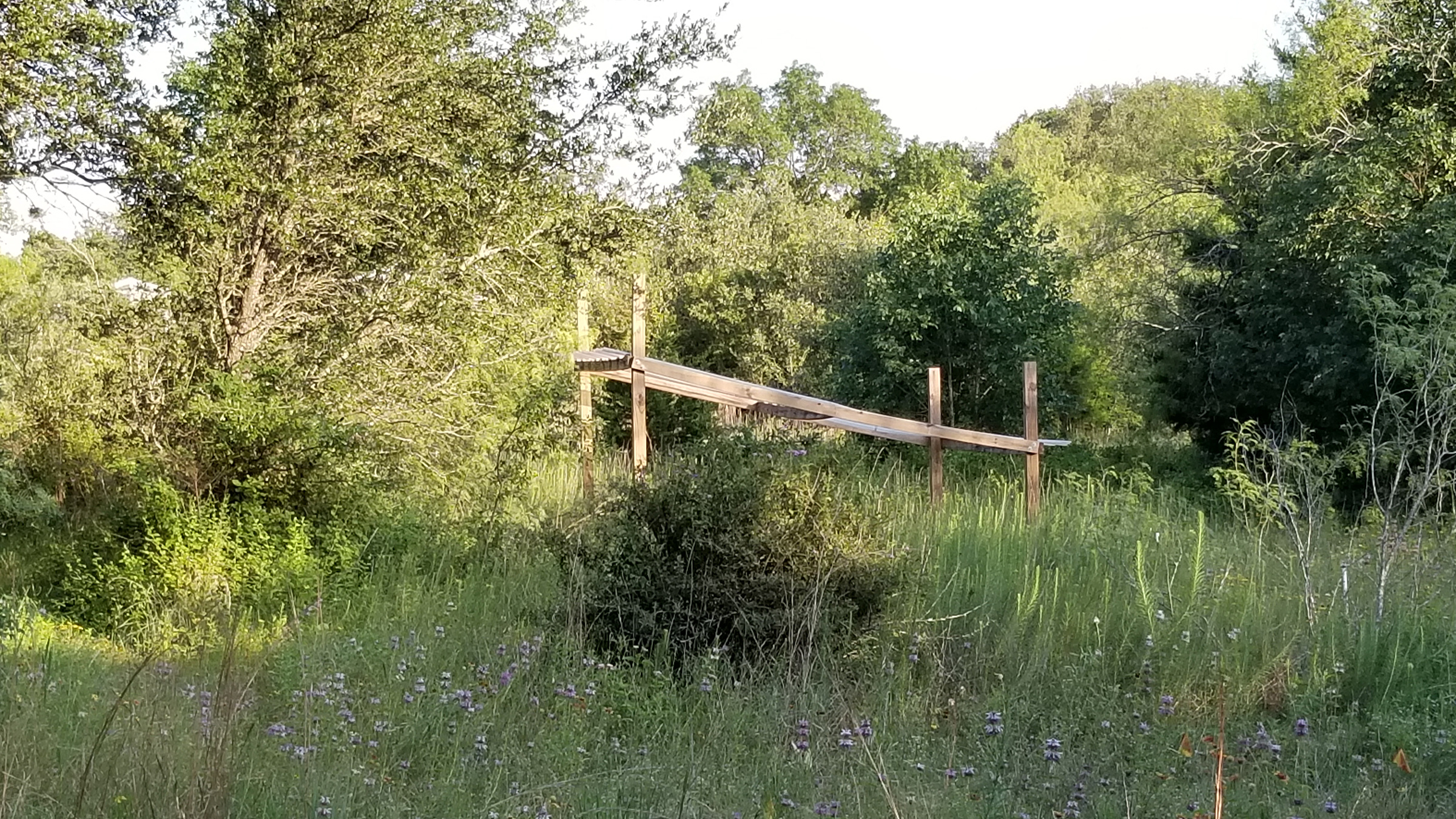
Philanthropic Gift Establishes Historic UT Commitment to Monitoring Texas’ Natural Resources
A transformative donation allows for the expansion of a Texas Field Station Network to study biodiversity and sustainability.
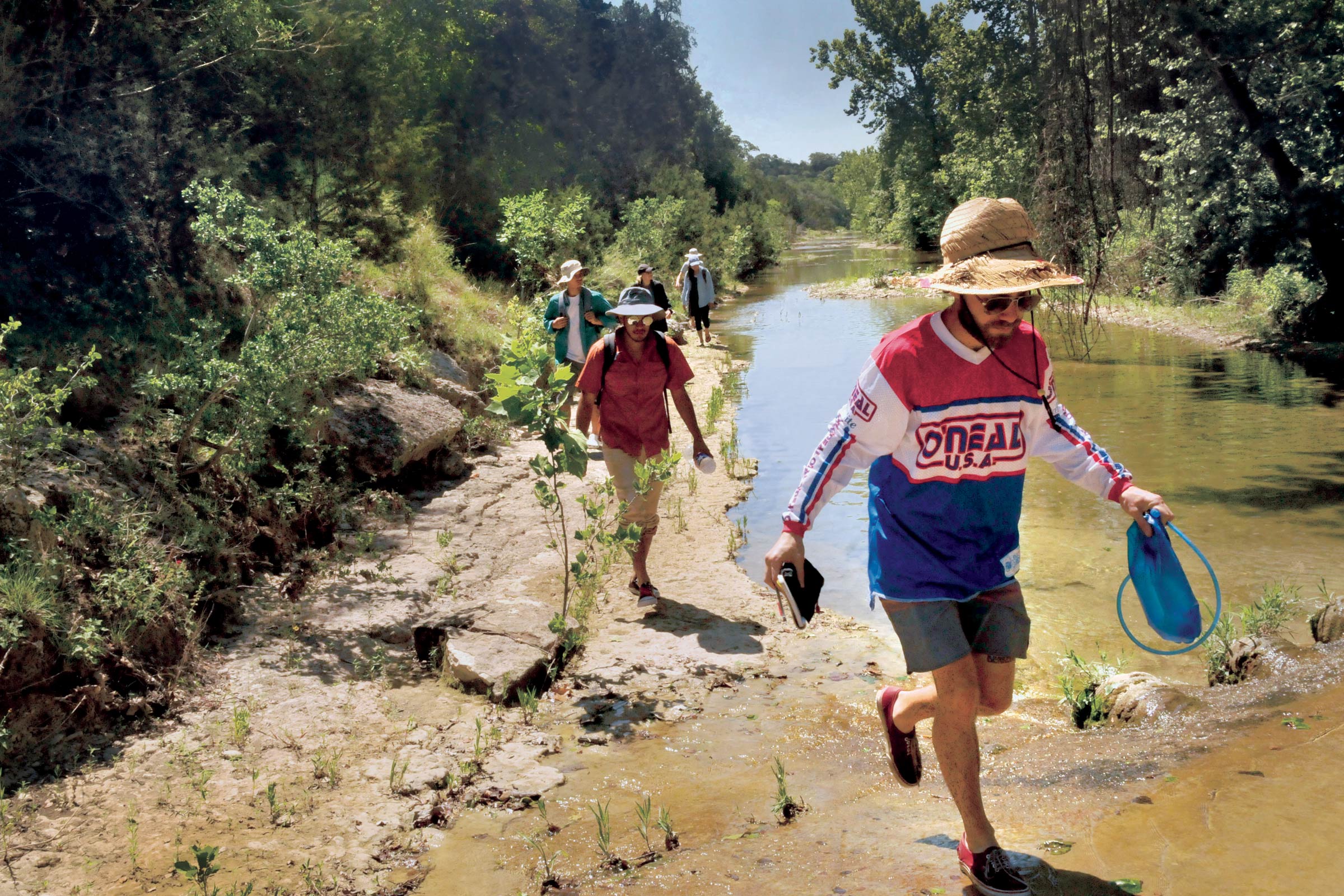
Female Butterflies See UV Light Thanks to a Gene Hiding in an Unusual Place
In some species, female and male butterflies apparently perceive colors differently.
UT News
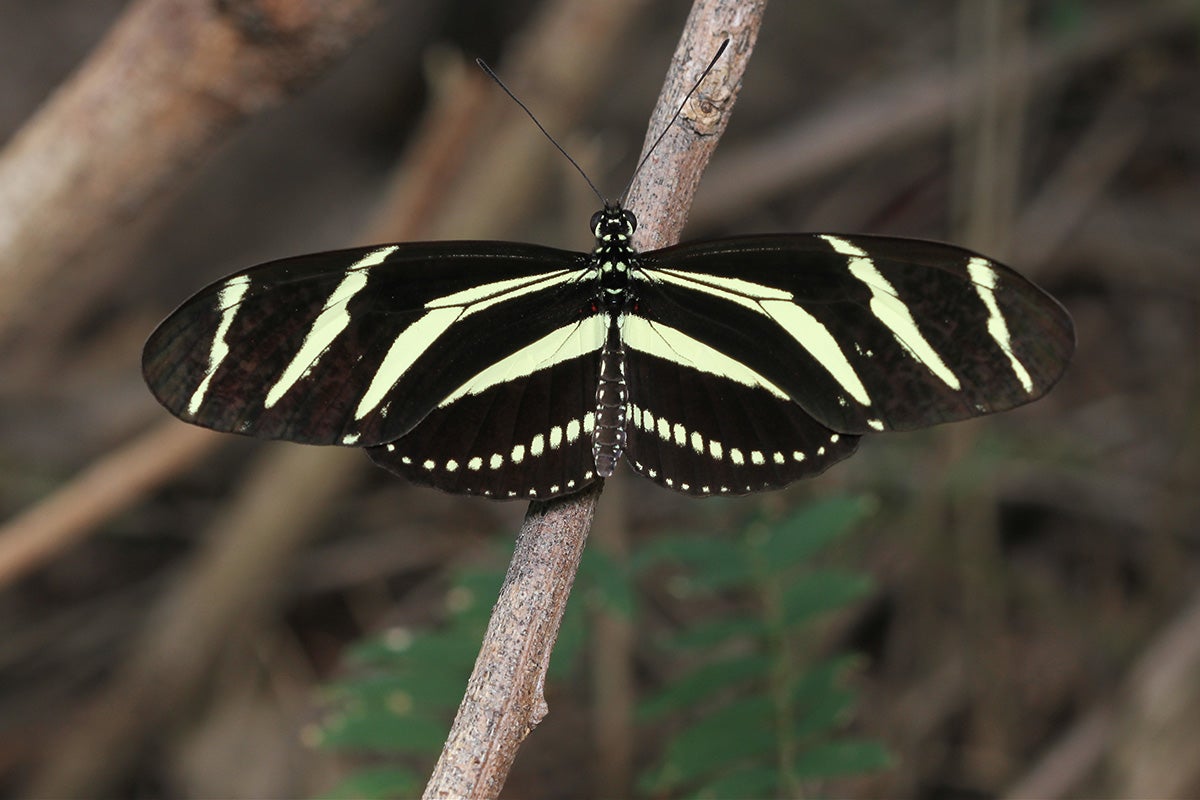
Integrative Biology Professor Studies Critical Link between Plants and Pollinators
University of Texas at Austin integrative biology professor Shalene Jha studies critical link in the web of life: plants and pollinators.
UT News
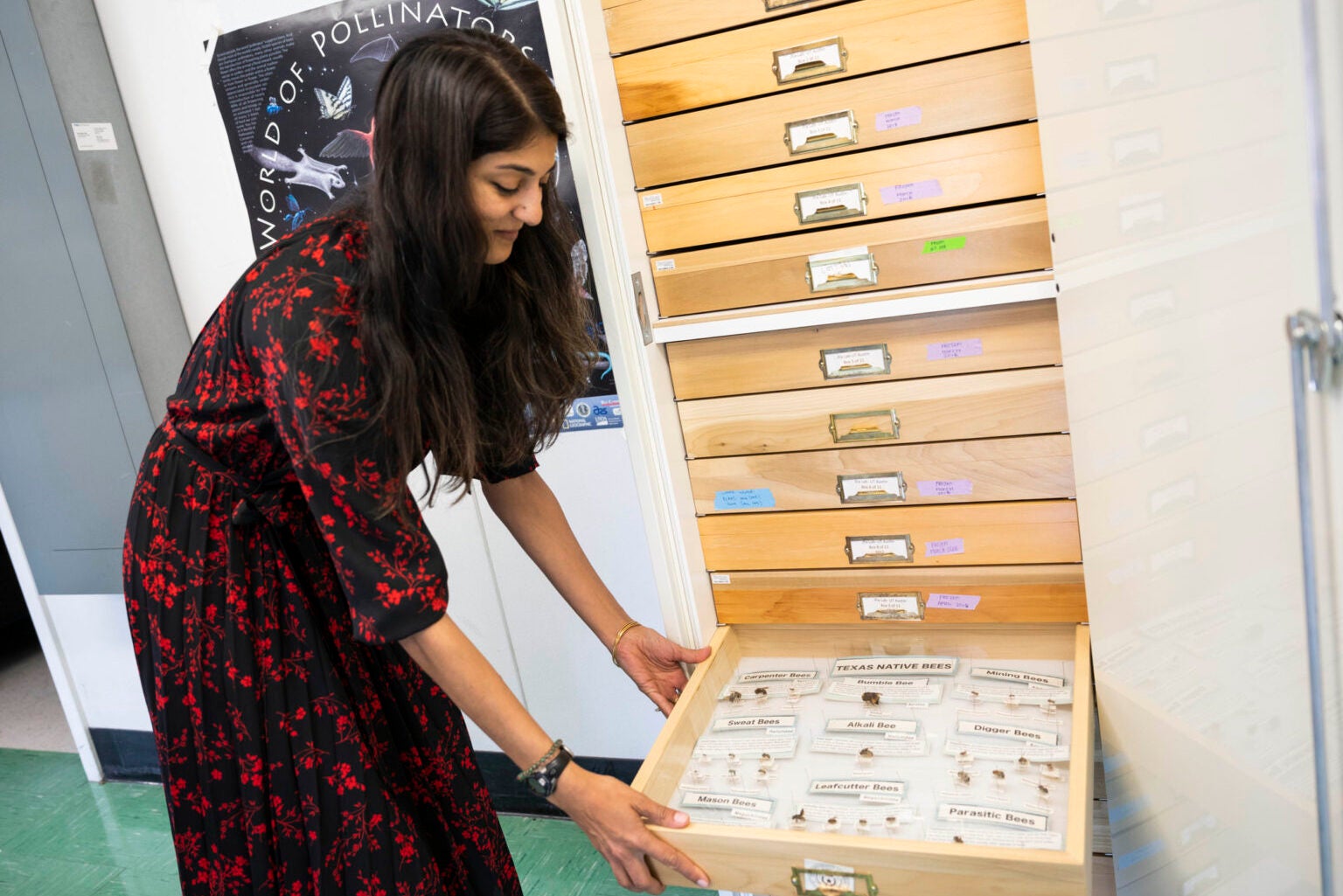
Invasive Grass in Texas Uses Chemical Warfare to Crowd Out Native Species
An invasive grass causing havoc in Texas and contributing to wildfires packs a one-two wallop against native plants. Guinea grass uses a combination of crowding that blocks out light from growing seedlings and what amounts to a chemical warfare in soil that is toxic to native plants, according to a new study by researchers at The University of Texas at Austin.
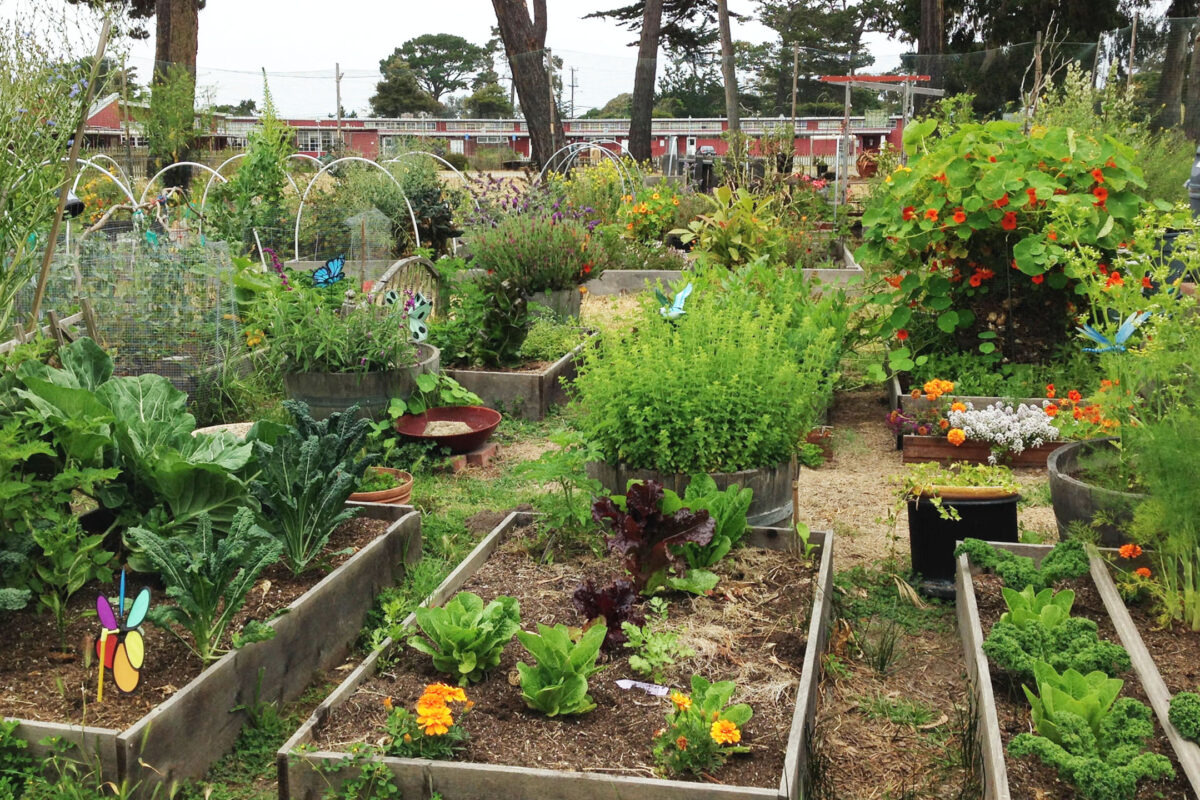
Urban Gardens Are Good for Ecosystems and Humans
Traditionally, it has been assumed that cultivating food leads to a loss of biodiversity and negative impacts on an ecosystem.
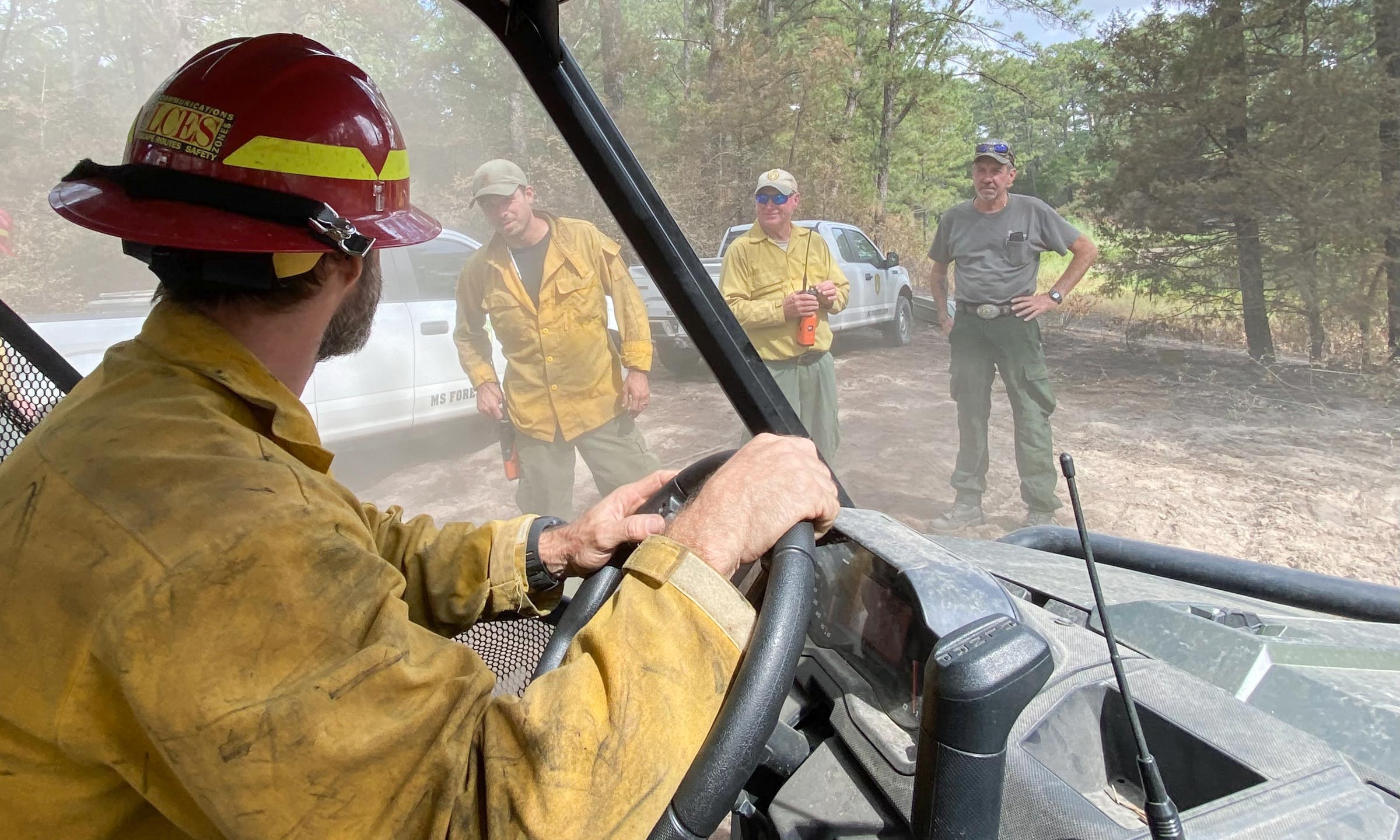
After Fire Damages Stengl Lost Pines, Scientists Say Discovery Will Rise from the Ashes
More than two-thirds of the Stengl Lost Pines Biological Station (SLP), which was home to forests, savannah, and wildlife inhabitants, burned in a fire.
Neutralizing Crazy Ants
Biologist Edward LeBrun is weaponizing a natural pathogen to use as a biocontrol for tawny crazy ants from South America that have become prevalent in the southeastern US.