
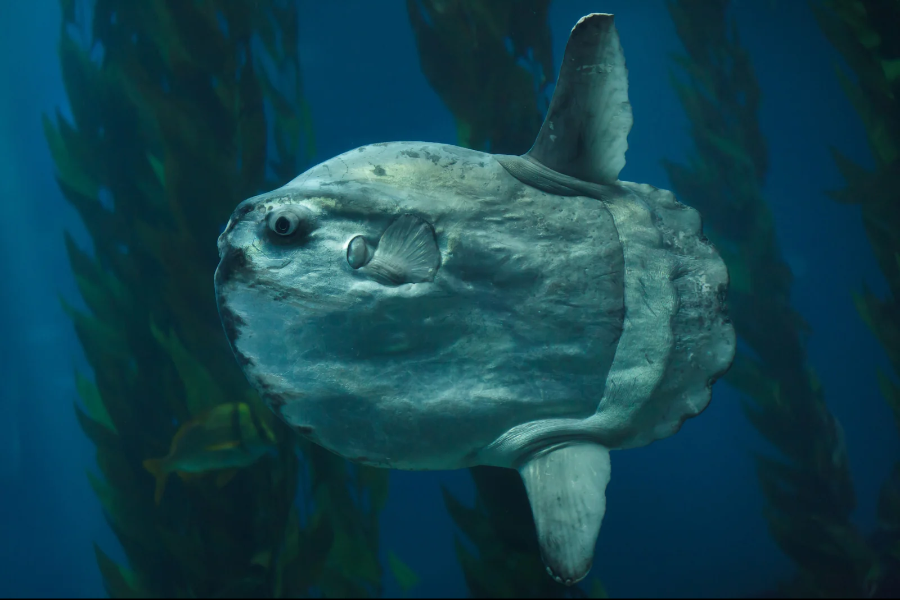
The World’s “Dumbest” Fish Has Evolved Mighty Mitochondria
New research by integrative biology professor Justin Havird reveals the mola mola's remarkable evolutionary adaptations and life history.
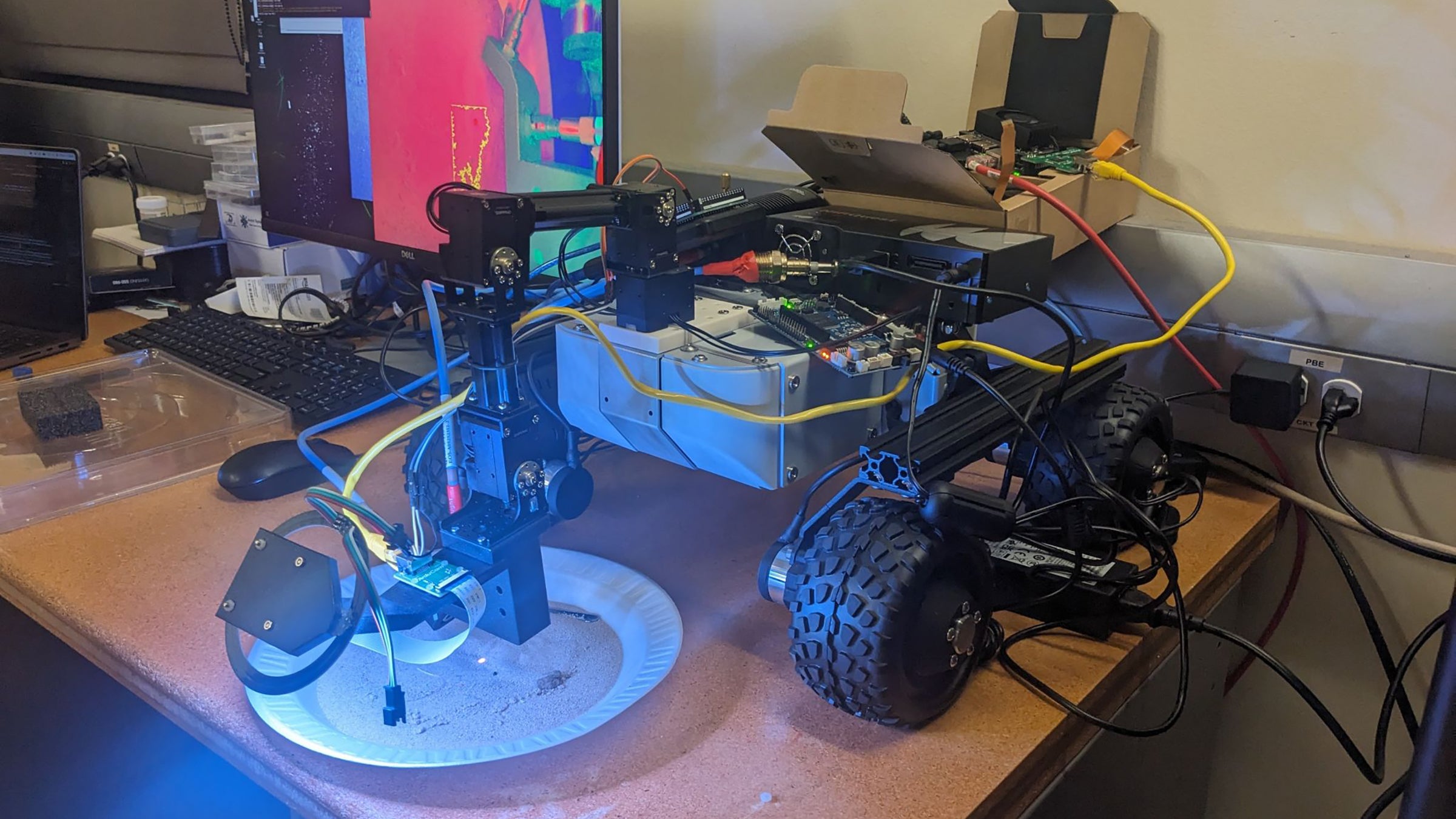
Microplastics in the Sand: Beach Combing Goes High Tech
A UT chemist says it is now time to develop tests for microplastics, similar to tests for other toxic threats.
Natural Sciences Welcomes New Faculty Across the College
Familiar faces and newcomers alike are among the 13 newest tenured and tenure-track faculty members joining the college.

College of Natural Sciences Faculty Receive NSF CAREER Awards
The awards from the National Science Foundation support innovative work by earlier-career faculty.

Philanthropic Gift Establishes Historic UT Commitment to Monitoring Texas’ Natural Resources
A transformative donation allows for the expansion of a Texas Field Station Network to study biodiversity and sustainability.

A More Nuanced Approach is Needed to Manage Coral Reef Ecosystems
Instead of focusing entirely on biomass and one-size-fits-all solutions, researchers recommend finding which fish provide the most useful functions in each reef system and protecting them.

Oil Impairs Ability of Coral Reef Fish to Find Homes and Evade Predators
Just like a person after one too many cocktails, a few drops of oil can cause coral reef fish to make poor decisions.
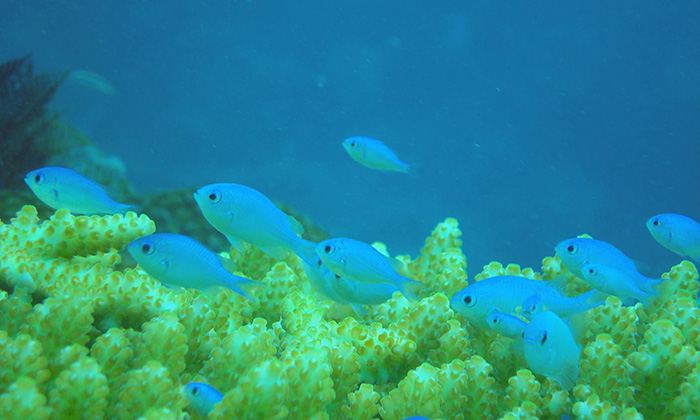
Can Sound Save a Fish?
Gulf Corvina look pretty ordinary—they're a couple of feet long and silvery. Yet the sounds they make—when millions get together to spawn—are a kind of wonder of the natural world. It's also why they are in danger.

UT News
Genetic Potential of Oil-Eating Bacteria from the BP Oil Spill Decoded
Microbiologists led by Brett Baker have discovered potential in bacteria that helped to clean up the BP oil spill.

Scientists Unveil the Most Comprehensive Genomic Tree of Life
Genetic data reveal a group of bacteria that are so diverse genetically that they represent half of all the diversity of bacteria on the planet
