News: Research
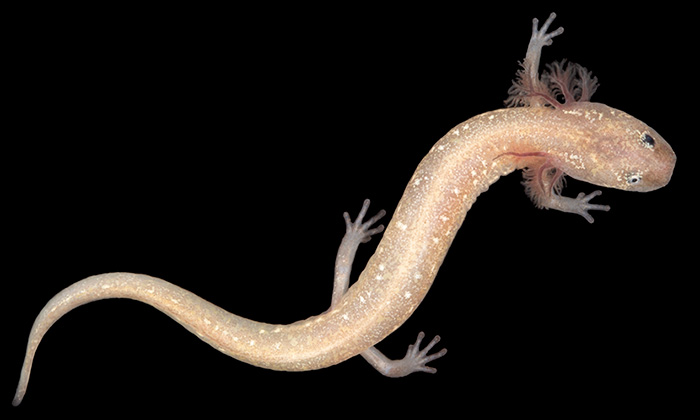
Central Texas Salamanders, Including Newly Identified Species, At Risk of Extinction
More severe droughts caused by climate change and increasing water use in Central Texas have left groundwater salamanders “highly vulnerable to extinction.”
Evolution Used Same Genetic Formula to Turn Animals Monogamous
In five cases where vertebrates evolved monogamy, the same changes in gene expression occurred each time.
UT News
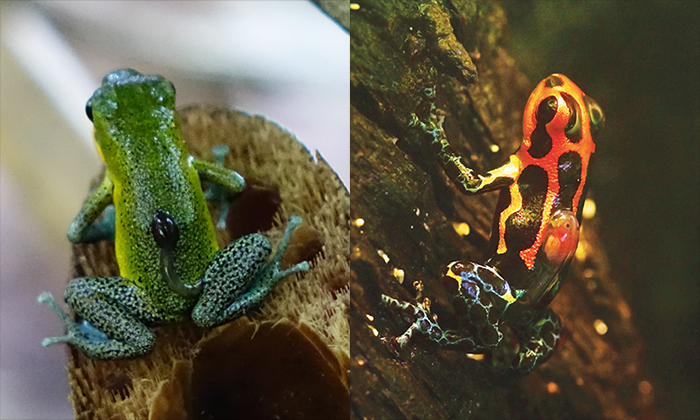
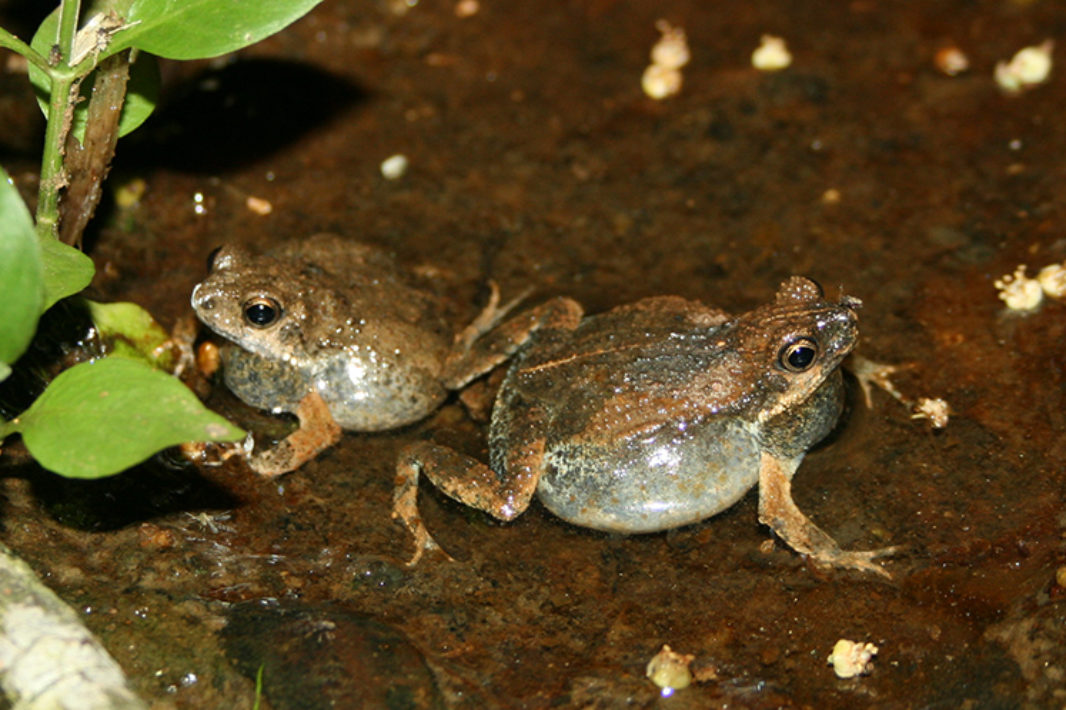
Females Prefer City Frogs’ Tunes
Urban sophistication has real sex appeal — at least if you’re a Central American amphibian. Male frogs in cities are more attractive to females than their forest-frog counterparts, according to a new study from Mike Ryan and others published in Nature Ecology and Evolution.
Common Weed Killer Linked to Bee Deaths
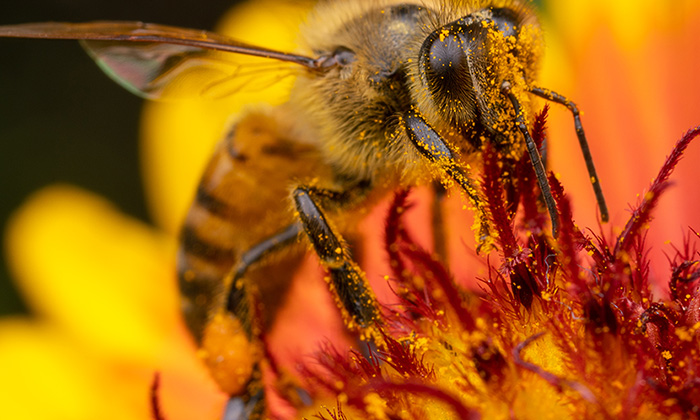
The world’s most widely used weed killer, Roundup, causes honey bees to lose some of their beneficial bacteria and are more susceptible to infection and death from harmful bacteria.
World-renowned UT Animal Behaviorist Weighs Role of Beauty in Evolution
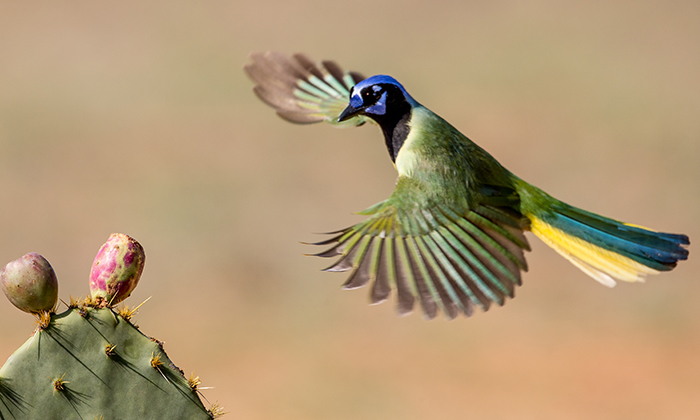
Mike Ryan, professor of integrative biology, has a new book that explores the intersection of evolution and aesthetics.
UT News
Study of Secret Sex Lives of Trees Finds Tiny Bees Play Big Part
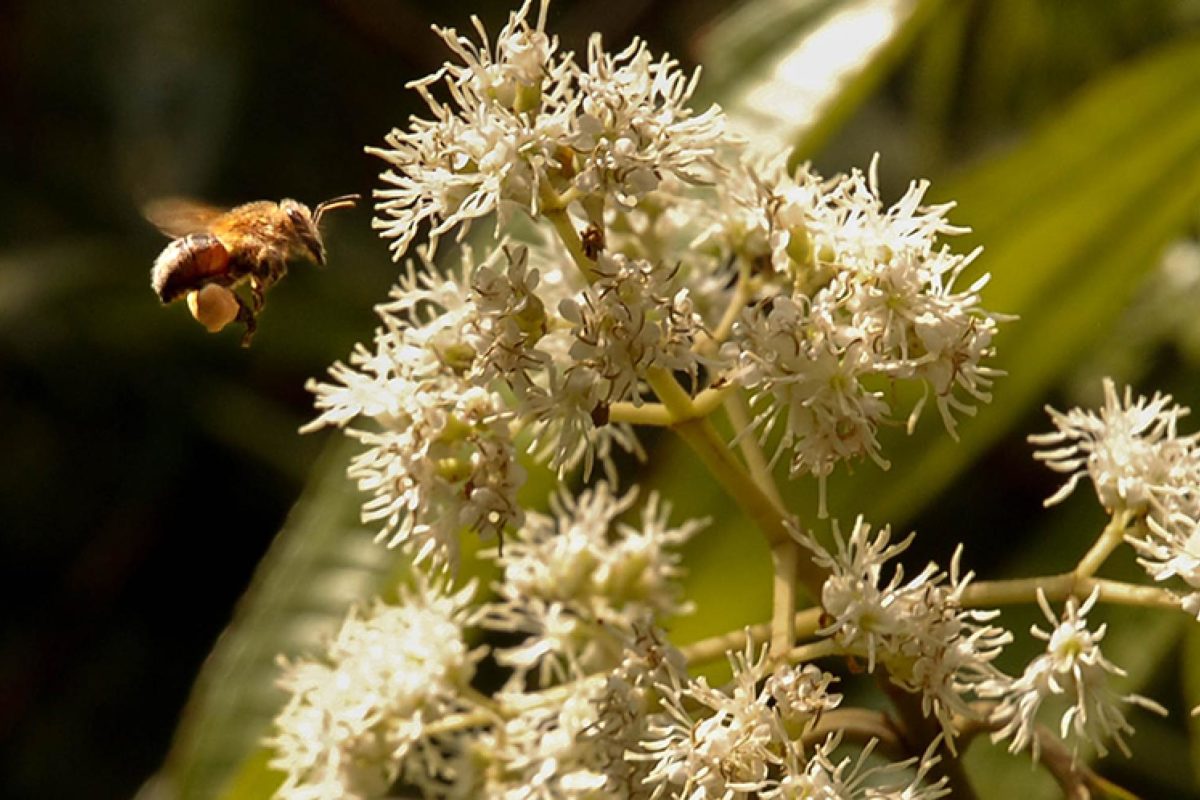
When it comes to sex between plants, tiny bees the size of ladybugs play a critical role in promoting the genetic diversity that protects against disease, climate change and other threats, according to a study by Shalene Jha, a faculty member in the Departent of Integrative Biology.
Scientists on the Trail of Central Texas’ Elusive Satan Fish
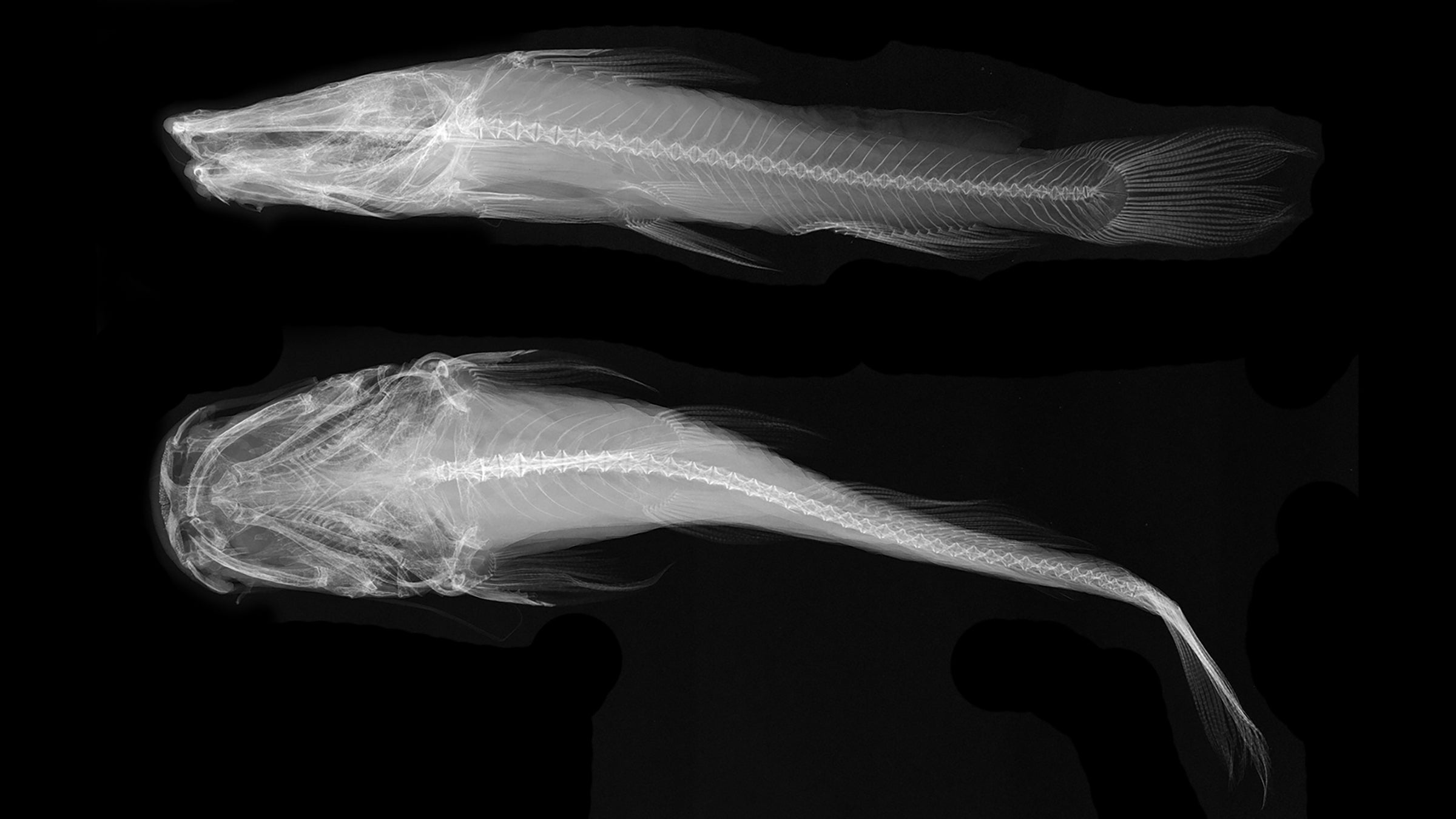
The fish are part of a project to monitor the overall ecological health of Central Texas aquifers and better understand how water flows through them.
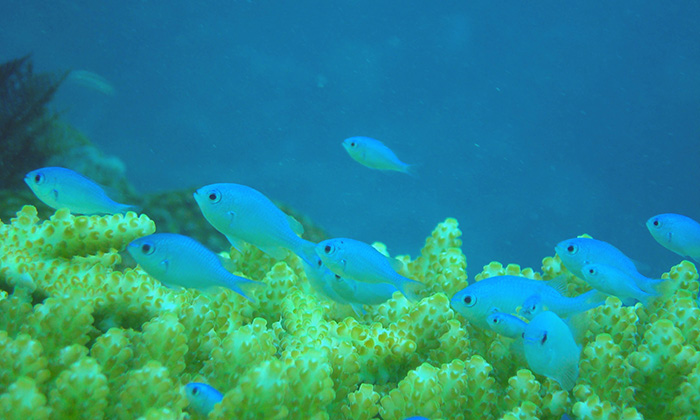
Oil Impairs Ability of Coral Reef Fish to Find Homes and Evade Predators
Just like a person after one too many cocktails, a few drops of oil can cause coral reef fish to make poor decisions.
UT News
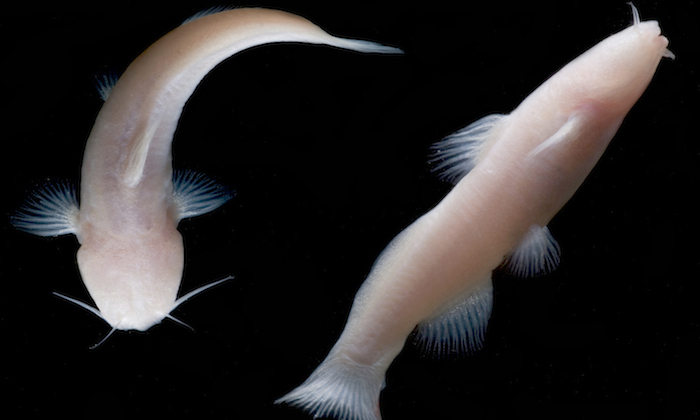
Rare, Blind Catfish Never Before Found in U.S. Discovered in Texas
An extremely rare eyeless catfish species previously known to exist only in Mexico has been discovered in a National Recreation Area in Texas.